

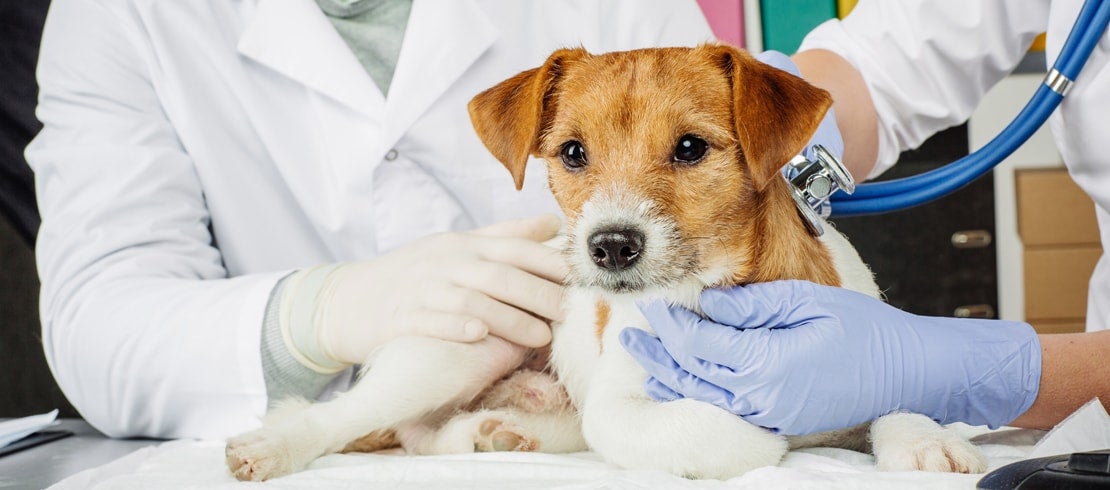
Veterinary care plays a vital role in maintaining the health, well-being, and longevity of animals, whether they are pets, livestock, or wildlife. Just as human beings rely on doctors to diagnose, treat, and prevent illnesses, animals require the expertise of trained veterinary professionals. The field of veterinary medicine encompasses a wide range of services, from routine check-ups and vaccinations to complex surgeries and specialized treatments. The importance of veterinary care goes beyond the individual animal—it contributes significantly to public health, food safety, and the overall balance of ecosystems.
Veterinarians are highly trained professionals who specialize in the diagnosis, treatment, and prevention of animal diseases. They undergo rigorous education, including veterinary school and practical training, to gain the skills needed to care for a variety of animal species. Veterinary care is not limited to domestic pets; it also covers farm animals, zoo animals, laboratory animals, and wildlife. Veterinary professionals work in clinics, hospitals, research facilities, farms, and conservation projects. Their work often involves collaboration with animal nutritionists, behaviorists, and public health officials to ensure comprehensive animal care.
Veterinary professionals are responsible for detecting health problems early, administering appropriate treatments, and educating pet owners or animal caretakers about proper care practices. Regular check-ups allow veterinarians to monitor an animal’s health, detect any signs of disease, and recommend preventive measures. In emergencies, veterinarians provide life-saving interventions, including surgeries, wound care, and critical care management. Their expertise ensures that animals live healthier, happier, and longer lives.
Preventive Veterinary Care
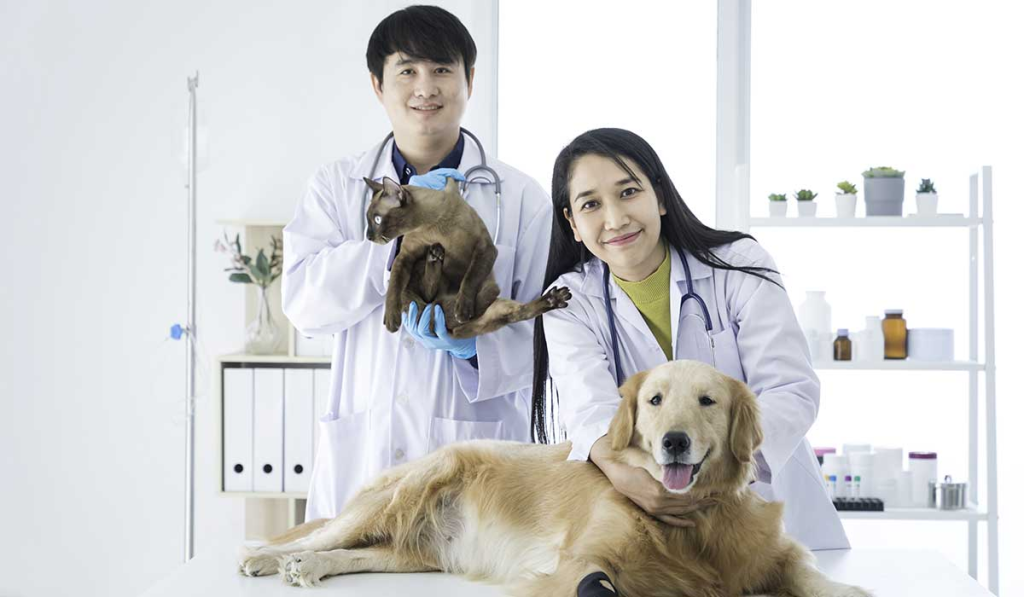
Preventive veterinary care is one of the cornerstones of animal health. Vaccinations, parasite control, regular physical examinations, and nutritional advice all fall under preventive care. Vaccinations protect animals from infectious diseases, some of which can be fatal or have long-term health consequences. For example, dogs and cats receive vaccines to prevent diseases like rabies, distemper, and feline leukemia. Similarly, livestock animals are vaccinated to reduce the risk of widespread outbreaks that can impact both animal welfare and food production.
Parasite prevention is another critical aspect of veterinary care. Fleas, ticks, heartworms, and intestinal parasites can cause severe discomfort and serious illness if left untreated. Veterinarians provide guidance on safe and effective preventive measures to protect animals from these threats. Regular examinations allow for early detection of potential health issues, reducing the likelihood of chronic disease or costly treatments in the future.
Diagnostic Services in Veterinary Care
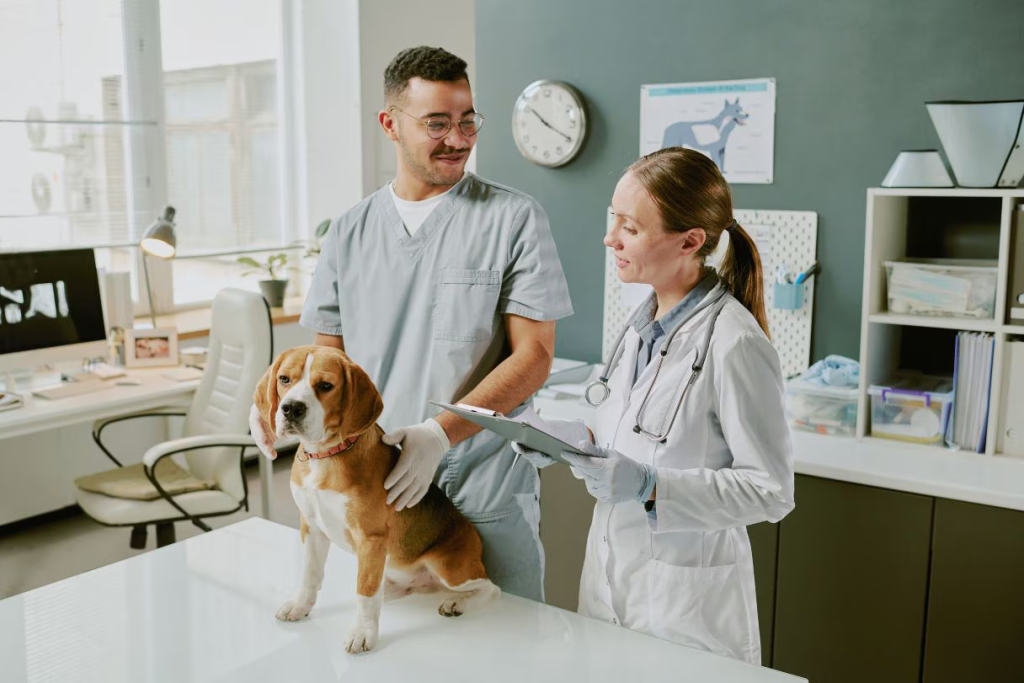
Modern veterinary care relies heavily on diagnostic tools to accurately identify diseases and conditions. Blood tests, urine analysis, X-rays, ultrasounds, and advanced imaging technologies are used to assess an animal’s health. Accurate diagnosis is essential for effective treatment and recovery. For instance, detecting kidney disease early in cats can prevent the progression of a serious condition, while timely identification of a broken bone in a dog ensures proper healing and minimizes complications.
Veterinarians also utilize diagnostic services to monitor ongoing treatments and evaluate the effectiveness of medications. By using laboratory tests and imaging, veterinary professionals can make informed decisions, tailor treatment plans, and provide better outcomes for their patients.
Treatment and Medical Procedures
Veterinary care encompasses a wide range of medical procedures, from routine dental cleanings to complex surgeries. Common treatments include wound care, dental care, spaying and neutering, orthopedic surgeries, and internal medicine procedures. Spaying and neutering not only prevent unwanted pregnancies but also reduce the risk of certain cancers and behavioral issues. Dental care is essential to prevent oral diseases, which can affect an animal’s overall health and quality of life.
In addition to standard medical treatments, veterinarians may provide specialized care in areas such as dermatology, cardiology, oncology, and ophthalmology. Advanced surgeries, including orthopedic repairs, tumor removals, and organ transplants, are often performed in specialized veterinary hospitals. Pain management and post-operative care are integral parts of the treatment process, ensuring a smooth recovery for the animal.
Emergency and Critical Care
Just like humans, animals can experience sudden illnesses or injuries that require immediate attention. Emergency and critical care services are essential components of veterinary care. Accidents, poisoning, severe infections, and trauma cases demand quick and skilled interventions. Veterinary emergency clinics are equipped with advanced life-support systems, surgical facilities, and trained staff to provide urgent care.
Critical care units in veterinary hospitals offer round-the-clock monitoring, intravenous therapy, and advanced diagnostics for seriously ill animals. Veterinarians and technicians work closely to stabilize patients, manage pain, and administer treatments that can save lives. Prompt emergency care can make a significant difference in the prognosis of severe conditions.
Nutrition and Wellness
Proper nutrition is fundamental to an animal’s health, and veterinarians play a key role in guiding dietary choices. Nutritional counseling helps prevent obesity, malnutrition, and diet-related diseases. Different animals have unique dietary requirements based on species, age, size, and health conditions. For example, senior dogs may require diets low in calories but rich in joint-supporting nutrients, while kittens need nutrient-dense foods to support growth and development.
Veterinary care also emphasizes wellness programs that go beyond physical health. Behavioral assessments, mental stimulation, and exercise recommendations are part of a holistic approach to animal wellness. Ensuring that animals are mentally and physically active contributes to better overall health and reduces the risk of behavioral problems.
Public Health and Zoonotic Diseases
Veterinary care is not only important for individual animals but also for public health. Veterinarians play a crucial role in preventing and controlling zoonotic diseases—illnesses that can be transmitted from animals to humans. Rabies, salmonella, and certain types of influenza are examples of zoonotic diseases that require careful monitoring and preventive measures.
By ensuring animals are healthy and vaccinated, veterinarians help reduce the risk of disease transmission to humans. They also provide guidance on safe handling, hygiene practices, and biosecurity measures for households, farms, and communities. This aspect of veterinary care highlights its broader impact on society, food safety, and environmental health.
Wildlife and Conservation Efforts
Veterinary care extends beyond domestic and farm animals to wildlife conservation. Veterinarians work with conservation organizations, zoos, and wildlife rehabilitation centers to protect endangered species and promote biodiversity. Health assessments, disease prevention, and medical treatment are essential for maintaining healthy wildlife populations.
Injured or orphaned wild animals often require specialized veterinary interventions before being released back into their natural habitats. Veterinarians also contribute to research on wildlife diseases, helping prevent outbreaks that could threaten entire species or ecosystems. Their work is critical for maintaining ecological balance and promoting coexistence between humans and wildlife.
Advances in Veterinary Medicine
The field of veterinary medicine continues to evolve with advances in technology, research, and treatment methods. Telemedicine, minimally invasive surgery, regenerative medicine, and genetic testing are becoming increasingly accessible. These innovations improve diagnostic accuracy, treatment outcomes, and patient comfort.
Telemedicine allows veterinarians to consult with pet owners remotely, offering guidance for non-emergency cases and follow-up care. Minimally invasive surgeries reduce recovery time and complications, while regenerative therapies, such as stem cell treatments, offer new possibilities for treating chronic conditions. Genetic testing helps identify hereditary diseases, enabling preventive measures and personalized care plans.
The Importance of Regular Veterinary Visits
Regular veterinary visits are essential for maintaining an animal’s health throughout its life. Routine check-ups allow for early detection of diseases, monitoring of chronic conditions, and updates on vaccinations and preventive care. Pet owners play a crucial role by observing changes in behavior, appetite, or activity levels and seeking veterinary advice promptly.
Preventive veterinary care is an investment in an animal’s long-term health. It not only ensures physical well-being but also contributes to emotional health and strengthens the bond between humans and animals. Responsible pet ownership includes regular veterinary visits, proper nutrition, exercise, and mental stimulation.
Conclusion
Veterinary care is a cornerstone of animal health, encompassing prevention, diagnosis, treatment, and wellness. From routine check-ups to emergency interventions, veterinary professionals dedicate their skills and knowledge to improving the lives of animals. The impact of veterinary care extends beyond individual pets, influencing public health, food safety, and wildlife conservation. Advances in veterinary medicine continue to enhance the quality and effectiveness of treatments, ensuring that animals receive the best possible care.
Responsible pet ownership, combined with regular veterinary care, promotes healthier and happier animals. By prioritizing veterinary care, society not only safeguards the well-being of animals but also strengthens the vital connection between humans and the animal world. In a world where animals play diverse roles—as companions, workers, and contributors to ecosystems—the significance of veterinary care cannot be overstated.
