


Small mammals are a diverse group of animals that play critical roles in ecosystems around the world. Despite their size, these creatures contribute significantly to the balance of nature, human economy, and scientific research. They range from tiny rodents like mice and shrews to slightly larger species such as rabbits and hedgehogs. Small mammals often go unnoticed in the grand scheme of wildlife, but their influence is undeniable.
Characteristics of Small Mammals
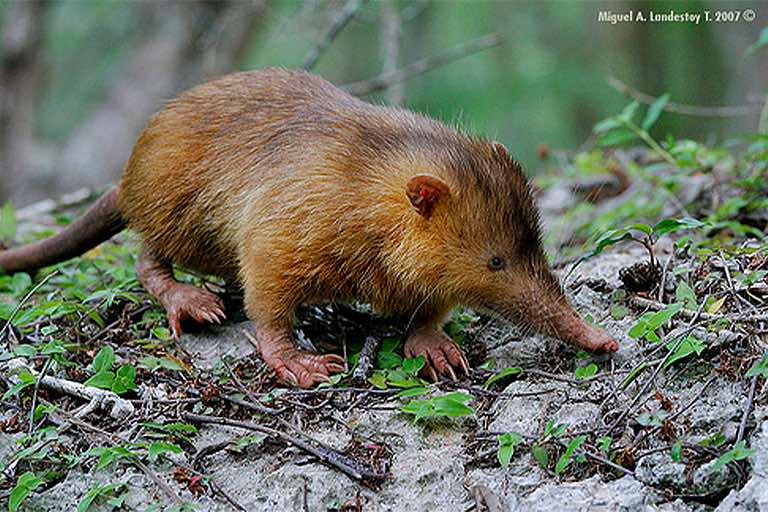
Small mammals are defined not just by their size, but also by specific physical and behavioral traits. Typically, they weigh less than 10 kilograms, though some definitions consider species under 5 kilograms. They generally have rapid metabolisms, high reproductive rates, and short lifespans compared to larger mammals. Their small size allows them to occupy niches that larger animals cannot, such as burrowing underground, climbing trees, or navigating dense undergrowth.
One common feature of small mammals is their adaptability. For example, rodents possess strong teeth that continuously grow, allowing them to gnaw through a variety of materials to access food. Many small mammals are nocturnal, reducing competition with larger diurnal species and avoiding predators. Fur coloration often provides camouflage, and some species even have specialized behaviors like hibernation or torpor to survive extreme weather conditions.
Diversity of Small Mammals
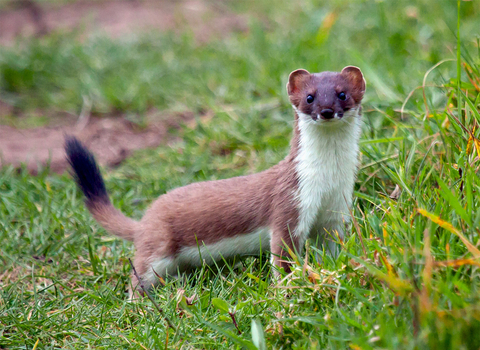
Small mammals include a wide variety of species spread across different families. Rodents, such as mice, rats, and squirrels, form the largest group, with thousands of species worldwide. Rodents are highly adaptable and can live in forests, grasslands, deserts, and even urban environments. They are known for their intelligence, problem-solving skills, and social behaviors.
Another important group is insectivores, including shrews and moles. These animals primarily feed on insects and other small invertebrates. Despite their tiny size, they are voracious feeders and help control insect populations, making them vital for maintaining ecological balance. Hedgehogs, often classified as insectivores, are known for their spiny protective coverings and nocturnal habits.
Lagomorphs, which include rabbits and hares, are another type of small mammal. They are herbivorous and play a significant role in shaping vegetation through grazing. Their fast reproductive rate ensures population sustainability, even in the presence of predators.
Marsupials such as sugar gliders or certain types of small opossums also fall under the category of small mammals. They carry and nurse their young in pouches, a unique reproductive adaptation that allows them to survive in challenging environments.
Ecological Importance
Small mammals are critical components of ecosystems. They serve as prey for numerous predators, including birds of prey, foxes, snakes, and larger mammals. Without small mammals, many predator populations would decline, leading to imbalances in the food chain.
They also contribute to soil health. Burrowing species, such as moles and certain rodents, aerate the soil, enhancing water infiltration and nutrient cycling. This activity benefits plant growth and promotes healthy ecosystems. In forests, small mammals help disperse seeds by carrying fruits and nuts to new locations. Some rodents even bury seeds as food caches, which can later germinate into new plants if left uneaten.
In addition, small mammals assist in controlling insect and pest populations. Insectivorous species feed on a variety of insects, reducing the spread of harmful pests in both natural and agricultural environments.
Behavior and Adaptations
Small mammals exhibit fascinating behaviors and adaptations that enhance their survival. Many species are nocturnal, meaning they are active at night. This helps them avoid predators and reduces competition for food. Their heightened senses, such as acute hearing and smell, compensate for limited vision in low-light conditions.
Social behavior varies widely among small mammals. Some, like mice, live in highly organized colonies with complex social hierarchies. Others, such as hedgehogs, are solitary and territorial. Communication is often achieved through vocalizations, scent marking, or body language. For example, rabbits thump their hind legs to warn others of danger, while squirrels use tail flicking to signal threats.
Reproductive strategies are equally diverse. Many small mammals have short gestation periods and produce multiple offspring in each litter. This high reproductive rate ensures species survival despite high predation rates. Some species also exhibit seasonal breeding patterns, timed to coincide with periods of abundant food.
Interaction with Humans
Small mammals have a long history of interaction with humans, both positive and negative. Rodents like mice and rats can be pests, causing damage to crops, stored food, and property. They are also capable of transmitting diseases, which has led to efforts to control their populations in urban areas.
However, humans also benefit from small mammals. Laboratory research often relies on mice, rats, and other small mammals to study genetics, diseases, and treatments. Their short lifespans and rapid reproduction make them ideal for controlled experiments, advancing medical and scientific knowledge.
Certain small mammals are domesticated as pets. Hamsters, guinea pigs, and rabbits are popular choices for households due to their manageable size and docile nature. They provide companionship and educational opportunities, teaching children and adults about responsibility and animal care.
Conservation Challenges
Despite their adaptability, many small mammals face significant threats due to human activity. Habitat destruction, pollution, and climate change affect their populations. Urbanization reduces available natural habitats, while agriculture can fragment ecosystems. Some species are particularly sensitive to environmental changes and face a risk of extinction if their habitats are compromised.
Invasive species also pose challenges. Non-native predators or competitors can decimate native small mammal populations, leading to ecological imbalance. Conservation efforts often focus on habitat protection, population monitoring, and public education to ensure that these creatures continue to thrive.
Fascinating Facts
- Lifespan: Many small mammals live only one to three years in the wild, though some species can survive longer in captivity.
- Speed: Despite their size, some small mammals, like squirrels, are incredibly agile and can leap great distances.
- Communication: Mice use ultrasonic sounds that are inaudible to humans to communicate with each other.
- Survival: Some desert rodents can survive without drinking water, obtaining moisture solely from the seeds they eat.
- Hibernation: Hedgehogs and certain rodents hibernate to conserve energy during cold months.
Conclusion
Small mammals may be tiny, but their importance cannot be overstated. They contribute to ecological balance, support biodiversity, and even impact human health and research. Understanding and appreciating these creatures allows us to recognize the intricate web of life in which they play essential roles. Protecting small mammals and their habitats ensures the sustainability of ecosystems and the continued health of our planet.
In the end, these unassuming animals remind us that size does not determine significance. Their survival, behavior, and interactions shape the world in ways often invisible to the human eye, proving that sometimes the smallest beings make the biggest difference.
