

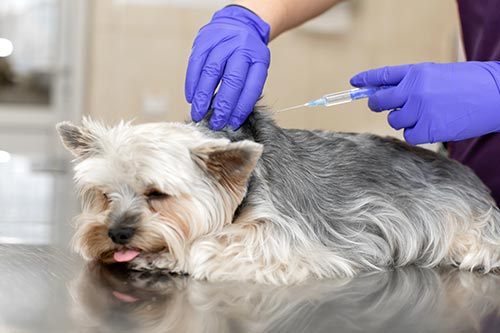
Pets are more than just animals; they are members of our families. From dogs and cats to rabbits and ferrets, pets bring joy, companionship, and unconditional love. As responsible pet owners, one of the most important things we can do to ensure their health and longevity is to vaccinate them. Vaccinations protect pets from dangerous diseases, many of which can be fatal if left untreated. In this article, we will explore the importance of pet vaccinations, the types of vaccines, vaccination schedules, and the benefits of keeping your pets up-to-date with their shots.
Why Pet Vaccinations Are Important
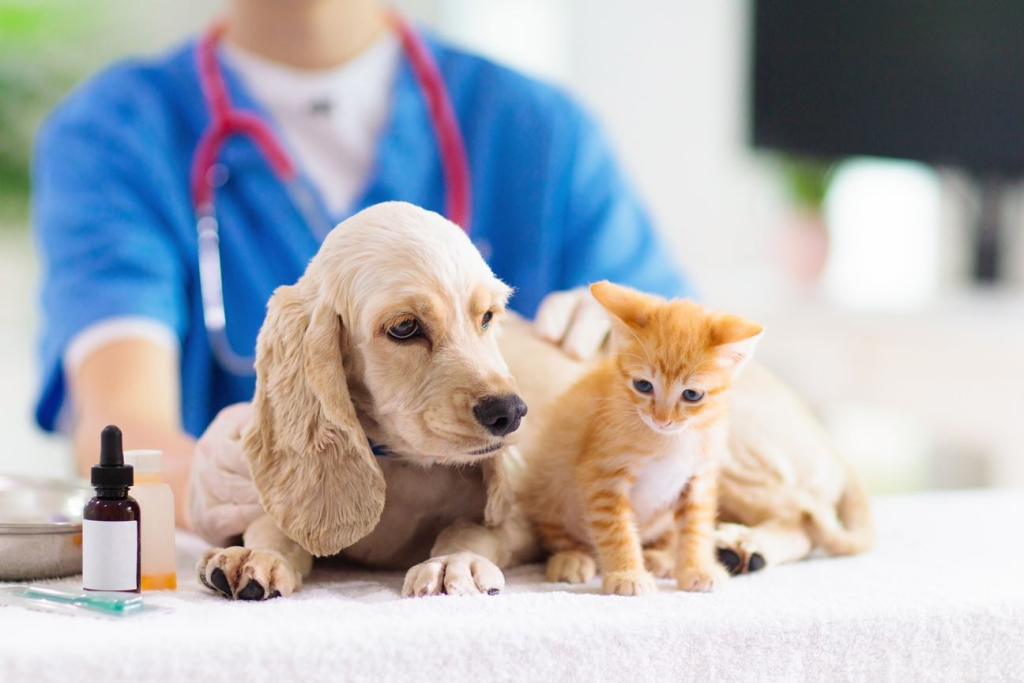
Vaccinations play a crucial role in preventing infectious diseases. Just like humans, pets can contract illnesses that can severely affect their health or even be life-threatening. Vaccines work by stimulating the pet’s immune system to recognize and fight specific pathogens. Essentially, vaccinations train the body to defend itself against harmful bacteria and viruses. Without vaccinations, pets are at a higher risk of catching contagious diseases that can spread rapidly, especially in environments where multiple animals interact.
Some common preventable diseases in pets include rabies, parvovirus, distemper, and feline leukemia. These illnesses can cause severe symptoms, including vomiting, diarrhea, fever, respiratory problems, and in many cases, death. Vaccinating pets not only protects them but also prevents the spread of diseases to other animals and, in certain cases, humans.
Core vs. Non-Core Vaccines
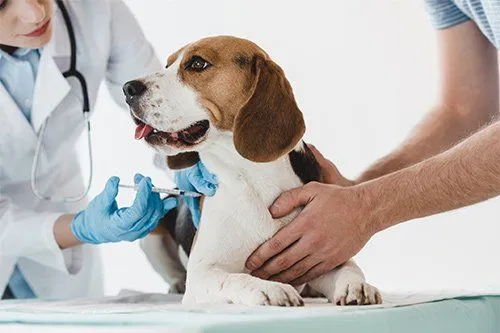
Veterinarians categorize vaccines into two main types: core and non-core vaccines. Understanding this distinction helps pet owners make informed decisions about their pet’s vaccination needs.
Core Vaccines
Core vaccines are considered essential for all pets, regardless of their lifestyle or geographic location. They protect against diseases that are widespread, severe, or potentially fatal.
For dogs, core vaccines typically include:
- Rabies: A deadly virus that affects the nervous system and can be transmitted to humans.
- Distemper: A highly contagious viral disease affecting the respiratory, gastrointestinal, and nervous systems.
- Parvovirus: A severe and often fatal virus causing gastrointestinal distress in dogs.
- Adenovirus (Hepatitis): A virus affecting the liver and immune system.
For cats, core vaccines generally include:
- Rabies: As in dogs, rabies vaccination is crucial for cats.
- Feline Panleukopenia (FPV): Also known as feline distemper, this disease can be deadly in kittens.
- Feline Herpesvirus (FHV-1): Causes respiratory illness and eye infections.
- Feline Calicivirus (FCV): Leads to respiratory problems and oral disease.
Non-Core Vaccines
Non-core vaccines are optional and depend on factors such as your pet’s age, environment, and lifestyle. These vaccines protect against diseases that may be less common but still pose a risk.
For dogs, non-core vaccines may include:
- Bordetella bronchiseptica: Causes kennel cough, especially in dogs that interact with others in boarding or daycare.
- Lyme Disease: Transmitted by ticks, more common in certain regions.
- Leptospirosis: A bacterial infection that can affect the kidneys and liver.
For cats, non-core vaccines may include:
- Feline Leukemia Virus (FeLV): A serious viral infection that affects the immune system.
- Chlamydia felis: Causes eye infections and respiratory illness.
- Bordetella: Less common but can cause respiratory issues in cats.
Your veterinarian can help determine which non-core vaccines are necessary based on your pet’s risk factors and lifestyle.
Vaccination Schedules
Vaccination schedules vary depending on the type of pet, age, and health status. Puppies and kittens receive a series of vaccinations in their first few months to build strong immunity. Adult pets require booster shots to maintain protection.
For puppies, the vaccination schedule often looks like this:
- 6-8 weeks: First round of core vaccines (distemper, parvovirus, adenovirus)
- 10-12 weeks: Second round of core vaccines
- 14-16 weeks: Final round of core vaccines, plus rabies
For kittens, the schedule is similar:
- 6-8 weeks: First round of core vaccines (panleukopenia, calicivirus, herpesvirus)
- 10-12 weeks: Second round
- 14-16 weeks: Final round, including rabies
Adult pets typically need booster shots every 1-3 years depending on the vaccine and local regulations. Some vaccines provide longer-lasting immunity, while others require more frequent updates.
Benefits of Vaccinating Your Pet
Vaccinating your pet has numerous benefits, both for your furry friend and your family.
- Prevents Serious Illness: Vaccinations protect pets from diseases that can be painful, debilitating, or fatal.
- Protects Other Animals: Vaccinated pets are less likely to spread contagious diseases to other animals in the community.
- Protects Humans: Some pet diseases, such as rabies and leptospirosis, can be transmitted to humans. Vaccinating pets reduces this risk.
- Saves Money: Treating a preventable disease is often far more expensive than routine vaccinations.
- Peace of Mind: Knowing your pet is protected allows you to enjoy worry-free companionship.
Common Myths About Pet Vaccinations
Despite their proven benefits, some pet owners hesitate to vaccinate due to common misconceptions. Let’s address a few myths:
- Myth 1: Indoor pets don’t need vaccines
Even indoor pets can be exposed to diseases brought in by humans, other pets, or wildlife. Vaccinations are still essential. - Myth 2: Vaccines are dangerous
While vaccines can have mild side effects, such as soreness or temporary lethargy, serious reactions are extremely rare. The risks of disease far outweigh the risks of vaccination. - Myth 3: One vaccination is enough for life
Immunity can decrease over time. Booster shots are necessary to maintain protection against diseases.
Recognizing Side Effects
Most pets tolerate vaccines well. Mild side effects may include:
- Temporary soreness at the injection site
- Mild fever
- Decreased appetite or energy for a day or two
Serious side effects are rare but can include allergic reactions, swelling, or difficulty breathing. If you notice severe symptoms after vaccination, contact your veterinarian immediately.
Preparing Your Pet for Vaccinations
To ensure a smooth vaccination process:
- Schedule appointments when your pet is healthy. Vaccines are less effective if the pet is sick.
- Bring your pet’s medical records to the appointment.
- Monitor your pet after vaccination for any side effects.
- Provide comfort and reassurance to reduce stress during the visit.
The Role of Veterinarians
Veterinarians are your best resource for creating a vaccination plan tailored to your pet. They consider factors such as age, breed, health history, lifestyle, and local disease risks. Regular veterinary visits also allow for early detection of other health issues and reinforce overall wellness.
Conclusion
Vaccinations are a cornerstone of responsible pet ownership. They protect pets from serious and preventable diseases, safeguard the health of other animals and humans, and provide peace of mind to pet owners. By following a proper vaccination schedule and consulting with your veterinarian, you ensure that your furry friends live longer, healthier, and happier lives.
Remember, a healthy pet starts with prevention, and vaccination is the first step in giving your beloved companion the gift of a long, joyful life.
