

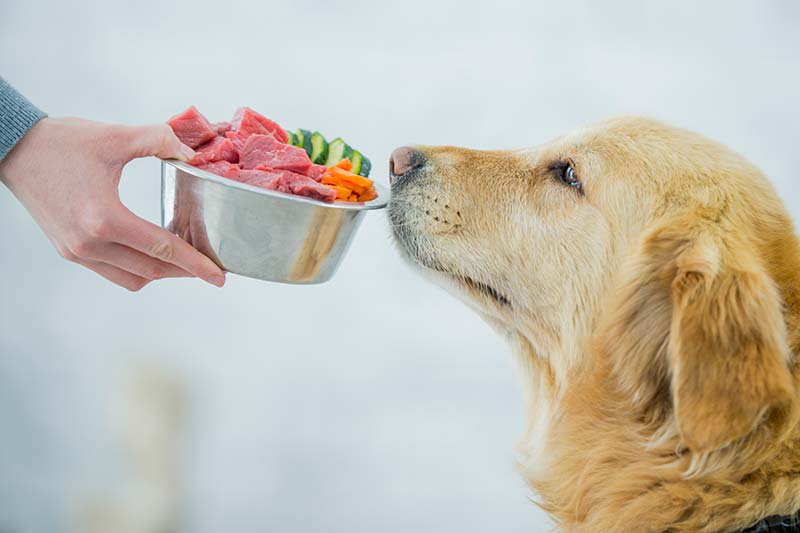
Proper nutrition is the cornerstone of a healthy life for pets. Just like humans, animals require a balanced diet to maintain optimal health, energy, and longevity. Pet nutrition is not just about filling a bowl; it is about providing the right combination of nutrients, vitamins, and minerals to meet the specific needs of your furry companions. Understanding these needs is essential for pet owners who wish to give their pets the best quality of life.
The Importance of Proper Nutrition

Nutrition plays a critical role in a pet’s overall well-being. A well-balanced diet helps maintain a healthy weight, strengthens the immune system, supports organ function, and promotes a shiny coat and healthy skin. Inadequate or improper nutrition can lead to various health problems, including obesity, diabetes, heart disease, gastrointestinal disorders, and weakened immunity.
For instance, dogs require sufficient protein for muscle development, while cats need taurine, an essential amino acid that supports heart and eye health. Each species has unique dietary requirements, and failing to meet these needs can compromise health over time.
Key Components of Pet Nutrition
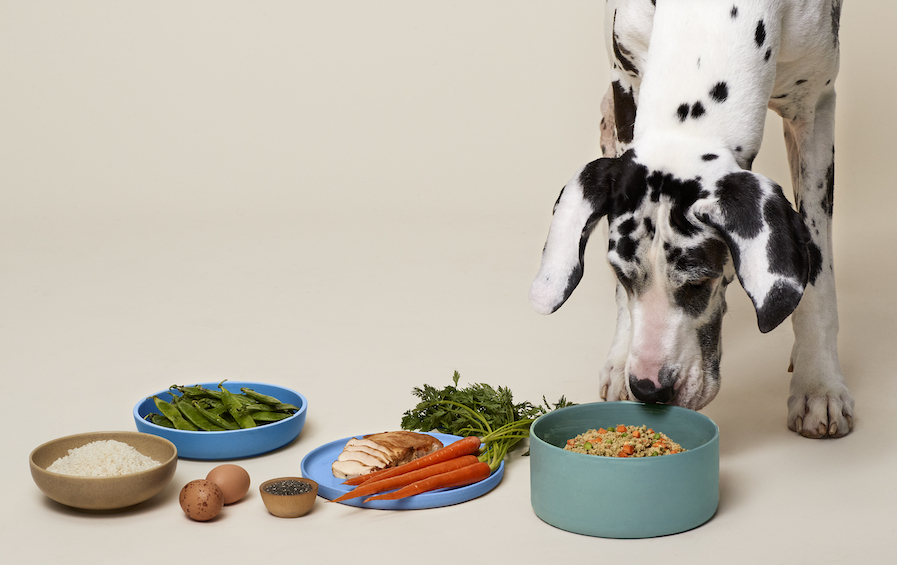
A balanced pet diet generally includes proteins, fats, carbohydrates, vitamins, minerals, and water. Each nutrient plays a specific role in maintaining a pet’s health.
1. Proteins
Proteins are the building blocks of life. They are crucial for growth, tissue repair, enzyme production, and hormone regulation. Animal-based proteins like chicken, beef, and fish are highly digestible and provide essential amino acids. Plant-based proteins, such as lentils and soy, can supplement a pet’s diet but may not provide all essential amino acids alone, especially for cats, who are obligate carnivores.
2. Fats
Fats are a concentrated energy source and are vital for absorbing fat-soluble vitamins like A, D, E, and K. Essential fatty acids, such as omega-3 and omega-6, support skin health, coat shine, and reduce inflammation. While fats are important, overfeeding can result in obesity, so portion control is crucial.
3. Carbohydrates
Carbohydrates provide energy and support digestive health. Whole grains, vegetables, and fruits are excellent sources of digestible carbohydrates and fiber. Fiber promotes regular bowel movements and helps prevent gastrointestinal issues. However, pets generally require less carbohydrate than humans, so the focus should remain on protein and fat content.
4. Vitamins and Minerals
Vitamins and minerals are essential for metabolic processes, bone health, immune function, and overall vitality. Vitamins such as A, D, E, and K are fat-soluble and stored in the body, while B-complex vitamins are water-soluble and require regular replenishment. Minerals like calcium, phosphorus, potassium, and zinc support bone structure, muscle function, and nerve signaling.
5. Water
Water is often overlooked but is vital for survival. It regulates body temperature, supports digestion, and helps remove waste products. Pets should have constant access to clean, fresh water. Dehydration can cause serious health issues, including kidney problems and lethargy.
Special Considerations in Pet Nutrition
Each pet is unique, and their nutritional needs can vary based on species, breed, age, activity level, and health conditions.
1. Age-Specific Nutrition
- Puppies and Kittens: Require higher protein and calorie intake to support growth and development. DHA, an omega-3 fatty acid, is essential for brain and eye development.
- Adult Pets: Need a balanced diet to maintain weight, muscle mass, and overall health. Portion control and nutrient balance become key.
- Senior Pets: May require diets lower in calories but rich in joint-supporting nutrients such as glucosamine and antioxidants to reduce inflammation and support aging bodies.
2. Breed-Specific Needs
Certain breeds have unique nutritional requirements. For example, large dog breeds are prone to joint issues and may benefit from diets with controlled calcium and phosphorus levels. Small breeds may need higher calorie density to meet their energy demands. Cats are more dependent on animal proteins and require taurine in their diet, unlike dogs.
3. Health Conditions
Pets with medical conditions such as diabetes, kidney disease, allergies, or obesity require specialized diets. For instance, diabetic pets need controlled carbohydrate intake to regulate blood sugar, while pets with kidney issues may need reduced protein levels to ease kidney strain. Consulting a veterinarian for dietary adjustments is essential in such cases.
Types of Pet Food
Pet owners have various options when it comes to feeding their animals. Understanding the differences can help in selecting the most suitable diet.
1. Commercial Pet Food
Commercial pet foods are designed to provide complete and balanced nutrition. They come in three main forms:
- Dry Food (Kibble): Convenient and cost-effective. Promotes dental health by reducing plaque buildup.
- Canned Food: Higher moisture content, suitable for pets needing extra hydration. Often more palatable than dry food.
- Semi-Moist Food: Convenient and tasty, but usually contains higher sugar and salt content.
2. Homemade Diets
Some pet owners prefer preparing home-cooked meals for their pets. This approach allows control over ingredients and can cater to pets with allergies or sensitivities. However, creating a balanced homemade diet requires knowledge of nutrition to prevent deficiencies or excesses.
3. Raw Diets
Raw feeding involves giving pets uncooked meat, organs, and sometimes bones. Proponents argue that it mirrors the natural diet of wild animals and promotes healthier coats, teeth, and energy levels. However, raw diets can pose risks of bacterial contamination and nutritional imbalance if not properly formulated.
Feeding Tips for Optimal Pet Health
- Portion Control: Overfeeding is a leading cause of obesity in pets. Follow recommended serving sizes and adjust based on activity and body condition.
- Consistency: Maintain a regular feeding schedule to prevent digestive issues and behavioral problems.
- Avoid Human Foods: Certain human foods like chocolate, onions, grapes, and caffeine are toxic to pets.
- Monitor Weight and Health: Regular check-ups and weight monitoring help detect dietary issues early.
- Gradual Dietary Changes: Sudden changes can cause digestive upset. Introduce new foods gradually over 7–10 days.
Recognizing Nutritional Deficiencies
Pets may exhibit signs of nutritional deficiencies, which should not be ignored. Common symptoms include:
- Dull coat or hair loss
- Lethargy or low energy
- Digestive issues like diarrhea or constipation
- Weak bones or joint pain
- Behavioral changes such as irritability
If such symptoms occur, consult a veterinarian to adjust the diet or recommend supplements.
Conclusion
Pet nutrition is a vital aspect of responsible pet ownership. Providing a balanced diet tailored to your pet’s age, breed, and health requirements ensures a longer, healthier, and happier life for your furry companion. By understanding the key components of nutrition and making informed choices, pet owners can prevent health issues, promote vitality, and enjoy a strong bond with their pets.
Investing time in learning about pet nutrition is not just about food—it’s about nurturing your pet’s overall well-being. After all, a healthy pet is a happy pet, and happy pets make for joyful companions.
