

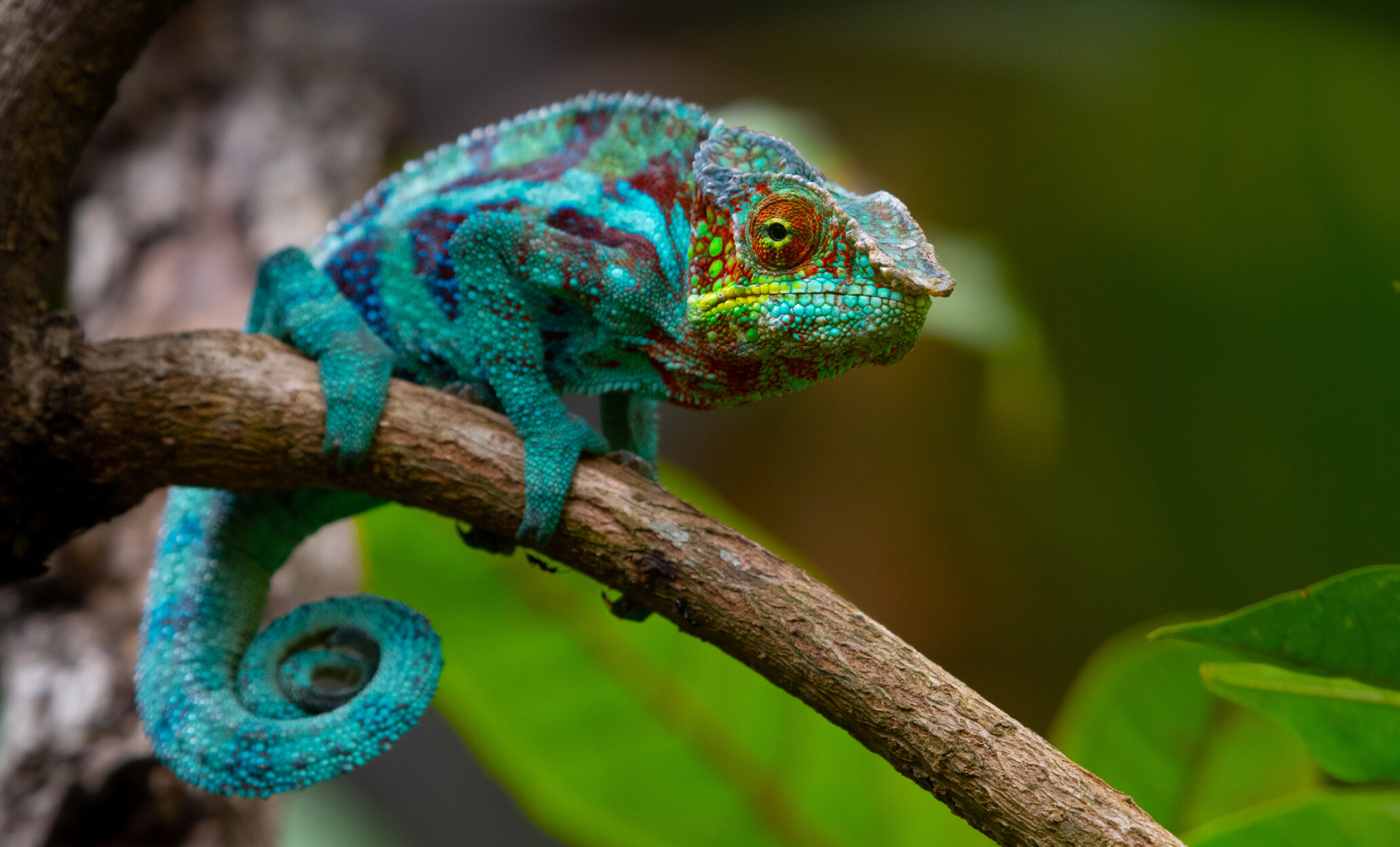
Exotic animals have always fascinated humans. Their vibrant colors, unique behaviors, and mysterious habitats capture the imagination and spark curiosity. Unlike common pets like dogs and cats, exotic animals are typically unusual species that originate from distant or rare environments. These creatures can range from colorful birds and reptiles to rare mammals and aquatic species, each possessing extraordinary adaptations that help them survive in their natural habitats.
What Are Exotic Animals?
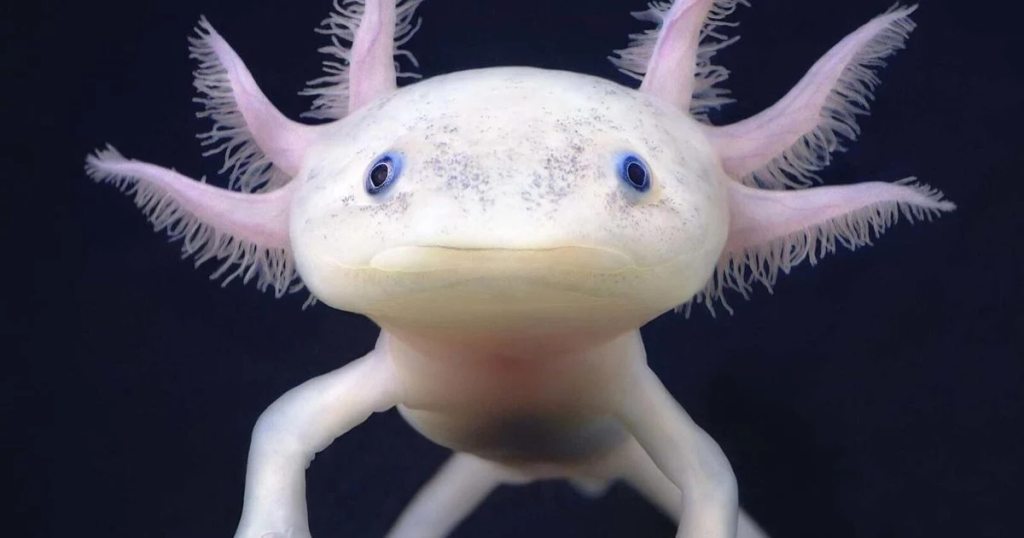
Exotic animals are species that are not native to the region where they are found or kept. Many of these animals come from tropical forests, deserts, oceans, or remote islands, which makes them less familiar to most people. Some are wild by nature, while others are bred in captivity. They are often admired for their rarity, beauty, and sometimes unusual behaviors, which differ significantly from common domestic pets.
Exotic animals can include birds such as parrots, reptiles like chameleons and snakes, mammals such as lemurs and sugar gliders, amphibians like poison dart frogs, and even some aquatic species like exotic fish and cephalopods. Each of these species brings its own unique characteristics and challenges to anyone who encounters or cares for them.
Why People Are Fascinated by Exotic Animals
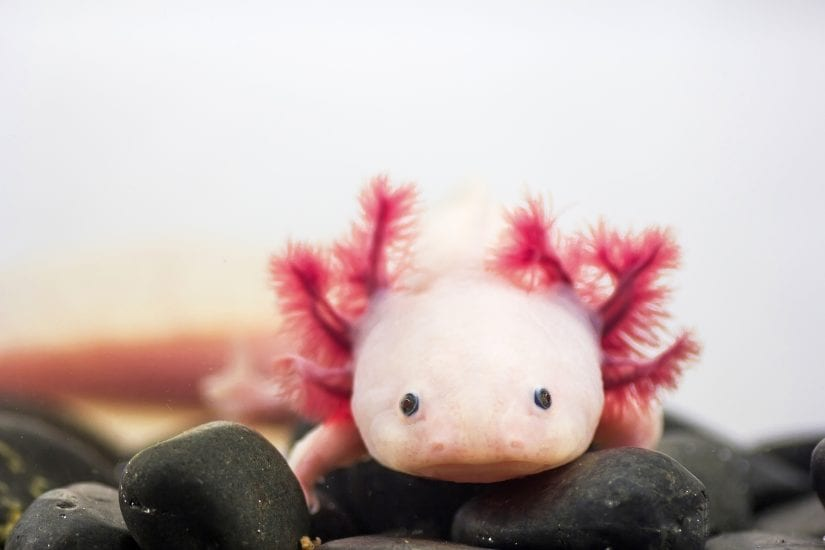
Humans have long been drawn to the unusual. Exotic animals embody mystery and beauty that cannot be found in ordinary wildlife. Some people are captivated by their vibrant colors, intricate patterns, or impressive physical abilities. For example, the iridescent feathers of a macaw or the delicate, detailed patterns on a poison dart frog can leave viewers in awe.
In addition, the intelligence and social behaviors of certain exotic animals, such as parrots or primates, often intrigue observers. These animals display problem-solving skills, social interactions, and even emotional responses that resemble human behavior, making them subjects of study for scientists and companions for enthusiasts.
Exotic animals also provide opportunities for education and conservation awareness. Zoos, wildlife sanctuaries, and nature documentaries help people learn about these creatures, their natural habitats, and the environmental challenges they face. By experiencing the beauty and uniqueness of exotic species, people often develop a deeper appreciation for wildlife and the importance of protecting it.
Popular Exotic Animals
While there are countless exotic species, some have gained popularity among enthusiasts due to their unique appearance, behavior, or manageability. Here are a few examples:
1. Reptiles
Reptiles are among the most common exotic pets. Snakes, lizards, and tortoises often attract attention due to their distinct appearances and behaviors. Bearded dragons, for example, are known for their friendly nature and interesting body movements, while chameleons are famous for their color-changing abilities, which they use for communication and camouflage. Snakes, depending on the species, can be fascinating for their sleek movements and hunting techniques.
2. Birds
Exotic birds like parrots, cockatoos, and finches are beloved for their intelligence and ability to mimic sounds. Parrots, in particular, can develop close bonds with humans and are known for their playful personalities. These birds often require significant attention, mental stimulation, and care to thrive in captivity.
3. Small Mammals
Some exotic mammals, such as sugar gliders, hedgehogs, and fennec foxes, are popular for their cute appearance and relatively small size. Sugar gliders, tiny nocturnal marsupials, are known for their gliding abilities and social nature. Hedgehogs are charming due to their compact, spiky bodies and curious personalities. Fennec foxes, with their large ears and agile movements, are captivating desert-dwelling creatures.
4. Amphibians and Aquatic Life
Exotic amphibians, like poison dart frogs or axolotls, often intrigue enthusiasts with their vibrant colors and unusual life cycles. Many exotic fish, such as discus or betta fish, are highly sought after for aquariums due to their dazzling colors and intricate patterns. Maintaining these species requires careful attention to their environment, including temperature, water quality, and diet.
Challenges of Owning Exotic Animals
Owning exotic animals comes with significant responsibilities. Unlike domestic pets, many exotic species require specialized care and environments that closely mimic their natural habitats. This includes proper diet, temperature, humidity, and social conditions. Neglect or improper care can lead to stress, disease, or even death.
Additionally, exotic animals may have legal restrictions in certain regions. Many countries regulate the ownership of exotic species to protect wildlife and prevent ecological disruption. It is essential to research local laws and obtain proper permits if required.
Health risks are another consideration. Exotic animals may carry diseases that can be transmitted to humans, known as zoonotic diseases. Proper hygiene, handling, and veterinary care are essential to minimize risks for both the animal and its owner.
Conservation and Ethical Considerations
Conservation is a critical concern when it comes to exotic animals. Many species face threats such as habitat destruction, climate change, and illegal wildlife trade. Collecting exotic animals from the wild can harm populations and ecosystems. Ethical ownership involves sourcing animals from reputable breeders or rescue organizations rather than supporting the illegal trade.
Exotic animals can also play a role in conservation education. Zoos, aquariums, and sanctuaries often participate in breeding programs for endangered species and educate the public about wildlife protection. By appreciating and learning about exotic animals, humans can contribute to global efforts to preserve biodiversity.
The Role of Exotic Animals in Culture and Society
Throughout history, exotic animals have held cultural significance in many societies. Lions, tigers, and elephants have been symbols of strength, courage, and wisdom. Birds like peacocks are revered for their beauty in various traditions. Even today, exotic animals influence art, literature, and popular culture, reflecting humanity’s fascination with nature’s wonders.
In modern times, exotic animals also play roles in scientific research. Studying unique physiological traits, behaviors, and adaptations provides valuable insights into biology, ecology, and medicine. For example, the study of certain reptiles and amphibians has contributed to advancements in regenerative medicine and neuroscience.
Tips for Interacting with Exotic Animals
When encountering exotic animals, either in captivity or in the wild, it is important to prioritize safety and respect:
- Observe Respectfully: Maintain a safe distance and avoid disturbing animals in their natural environment.
- Do Not Feed Wild Animals: Human food can be harmful to exotic species and can disrupt their natural behaviors.
- Learn About the Species: Understanding the behavior, needs, and conservation status of exotic animals enhances the experience and ensures ethical interaction.
- Support Conservation: Choose sanctuaries, ethical breeders, and educational programs that prioritize the welfare of animals.
Conclusion
Exotic animals are among the most fascinating creatures on Earth, inspiring curiosity, admiration, and respect. From the colorful feathers of a parrot to the agile leaps of a sugar glider, these animals showcase the remarkable diversity of life. However, their beauty and rarity come with responsibilities. Ethical care, conservation awareness, and proper education are essential for ensuring that these extraordinary species continue to thrive. By appreciating exotic animals in a thoughtful and respectful manner, humans can celebrate the wonders of nature while contributing to the preservation of our planet’s incredible biodiversity.
