

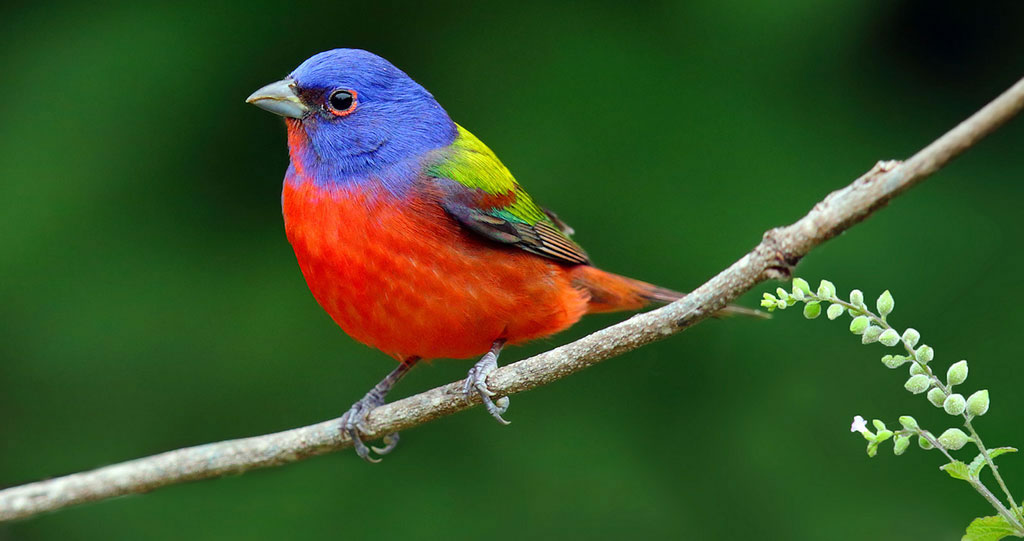
Birds are among the most fascinating creatures on Earth. They belong to the class Aves and are distinguished by their feathers, beaks, and the ability to lay hard-shelled eggs. Birds have captured human imagination for centuries due to their remarkable diversity, colorful plumage, melodious songs, and incredible flight abilities. From the tiny hummingbird to the majestic albatross, birds occupy every corner of the globe, from dense forests to arid deserts and icy polar regions.
One of the defining features of birds is their feathers. Feathers serve multiple purposes, including flight, insulation, camouflage, and attracting mates. There are different types of feathers, such as contour feathers that shape the bird’s body, flight feathers that help with flying, and down feathers that provide warmth. Birds’ lightweight skeletons are another key adaptation. Hollow bones reduce weight without compromising strength, enabling efficient flight.
The structure of a bird’s wing varies depending on its lifestyle. For example, eagles and hawks have broad wings that allow soaring over long distances, while hummingbirds have fast-flapping wings for hovering. Birds also possess highly developed respiratory systems. Air sacs connected to the lungs allow continuous airflow, supplying oxygen efficiently during intense flight.
Behavior and Communication
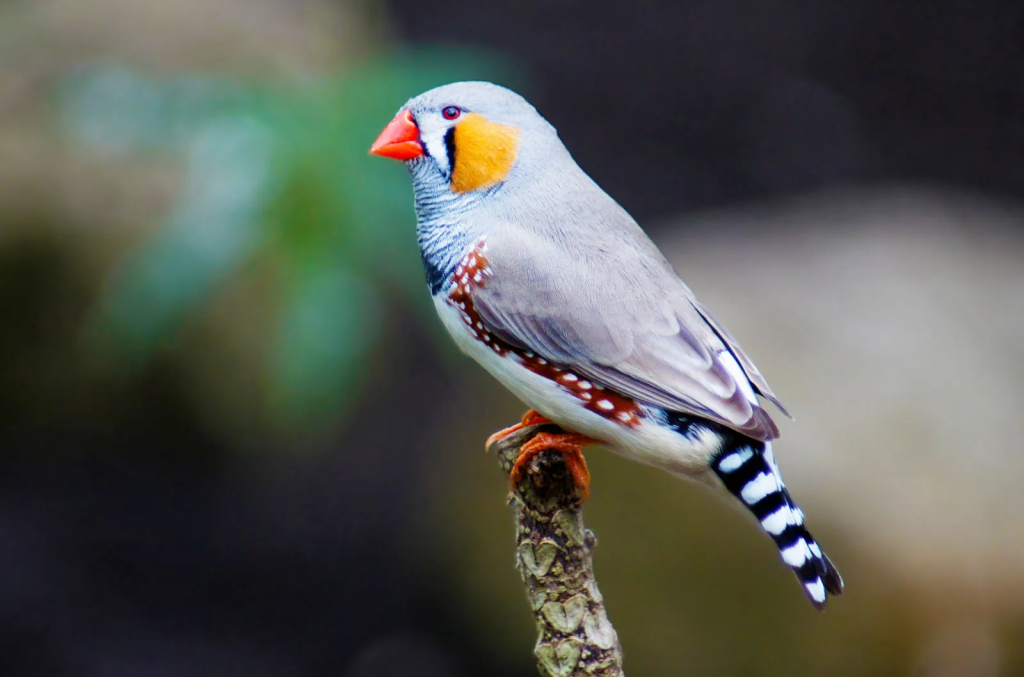
Birds exhibit a wide range of behaviors, many of which are fascinating to observe. Migratory behavior is one of the most remarkable. Millions of birds travel thousands of miles between breeding and wintering grounds. Some species, like the Arctic tern, undertake annual journeys exceeding 40,000 kilometers, demonstrating extraordinary navigation skills.
Communication in birds is another area of wonder. Birds use vocalizations and body language to convey messages. Songs are primarily used to attract mates and defend territories. Some birds, like parrots and mynahs, can mimic human speech and other sounds. Visual displays, such as wing spreading, dancing, or feather fluffing, also play crucial roles in social interactions.
Diet and Feeding
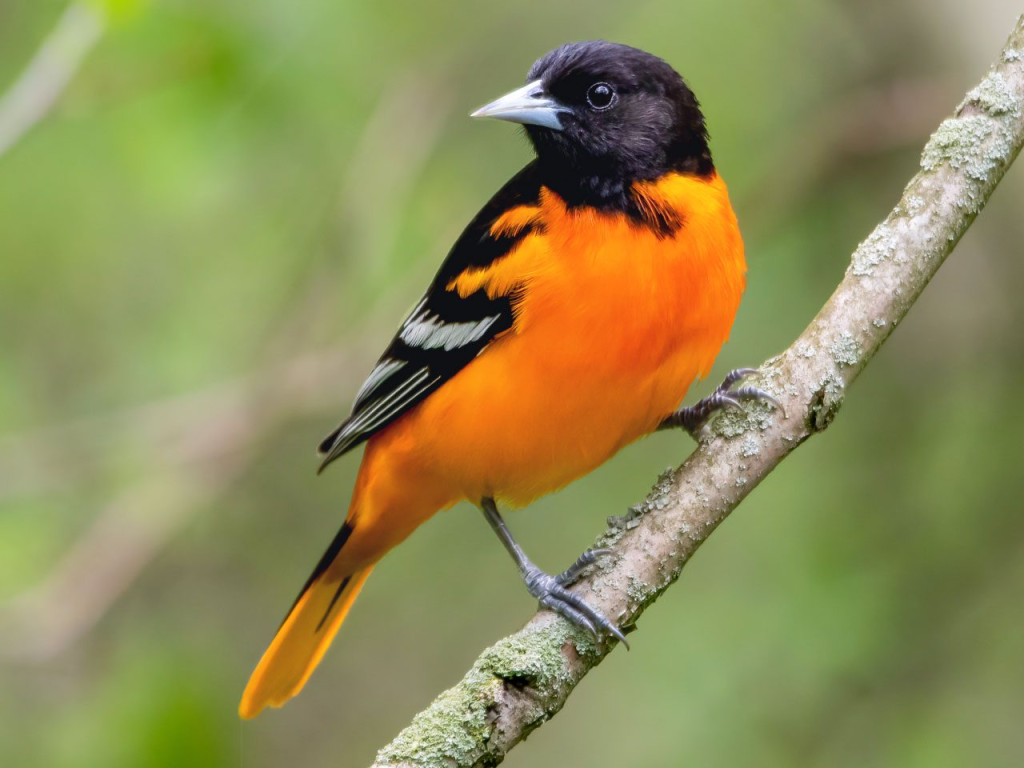
Birds have diverse diets that vary widely among species. While some are herbivorous, feeding on seeds, fruits, and nectar, others are carnivorous, preying on insects, fish, and small mammals. Omnivorous birds, such as crows and gulls, can adapt their diet based on availability, contributing to their widespread success.
Beak shape is closely related to diet. Birds with long, slender beaks, like hummingbirds, are adapted for feeding on nectar, while birds with strong, hooked beaks, like eagles and hawks, are designed for tearing flesh. Birds also exhibit fascinating foraging strategies. Woodpeckers drill into trees to find insects, while pelicans scoop fish from water using their large beaks.
Reproduction and Life Cycle
Bird reproduction is another aspect of their biology that fascinates humans. Most birds are monogamous, forming pairs that work together to raise offspring. Courtship displays are often elaborate, involving singing, dancing, and showing off bright plumage.
Birds lay eggs, which vary in size, color, and number depending on the species. The incubation period also differs, ranging from a few days in small songbirds to several weeks in larger species. Parents usually take turns incubating eggs and feeding hatchlings. Young birds may be altricial, requiring care and feeding after hatching, or precocial, able to move and feed themselves shortly after birth.
Migration and Navigation
Migration is one of the most remarkable phenomena in the avian world. Birds travel incredible distances to exploit seasonal resources. Migration requires precise timing, energy management, and navigation skills. Birds use various methods to navigate, including the sun, stars, magnetic fields, and visual landmarks.
The challenges of migration are immense. Birds face extreme weather, predators, and habitat loss. Despite these obstacles, migratory birds continue their journeys with astonishing reliability, demonstrating resilience and adaptability.
Birds in Ecosystems
Birds play vital roles in ecosystems. They act as pollinators, seed dispersers, and pest controllers. Nectar-feeding birds, like hummingbirds, facilitate plant reproduction by transferring pollen. Frugivorous birds disperse seeds, enabling plants to colonize new areas. Predatory birds help control populations of rodents, insects, and other animals, maintaining ecological balance.
Birds are also considered indicator species. Their presence, abundance, or decline can signal changes in environmental health. Protecting birds and their habitats often has cascading benefits for entire ecosystems.
Diversity and Classification
The diversity of birds is staggering, with over 10,000 recognized species. Birds are classified into orders and families based on shared characteristics. Some of the major groups include:
- Passerines: Also called perching birds, this is the largest group, including sparrows, finches, and crows.
- Raptors: Birds of prey such as eagles, hawks, and owls, known for sharp talons and keen eyesight.
- Waterfowl: Ducks, geese, and swans adapted for swimming and aquatic habitats.
- Waders: Shorebirds like herons and sandpipers that forage in shallow water.
- Flightless birds: Such as ostriches, emus, and penguins, which have adapted to terrestrial or aquatic lifestyles.
The incredible variety in size, shape, and behavior illustrates birds’ evolutionary success and adaptability.
Threats and Conservation
Despite their adaptability, birds face numerous threats. Habitat destruction, climate change, pollution, hunting, and invasive species have caused declines in many populations. Some birds, like the dodo, have gone extinct, while others are critically endangered.
Conservation efforts are crucial to protect birds and their habitats. Establishing protected areas, restoring ecosystems, and implementing legal protections can help preserve bird diversity. Public awareness and citizen science initiatives, such as birdwatching and monitoring programs, also contribute to conservation efforts.
Birds and Human Culture
Birds have long held a special place in human culture. They symbolize freedom, peace, and spirituality in various traditions. From ancient myths to modern literature and art, birds inspire creativity and wonder. Birdwatching has become a popular recreational activity, fostering appreciation for nature and encouraging conservation.
Birds also have practical importance. Domestic birds, like chickens and ducks, provide food, while pigeons have historically been used for communication. Scientific studies on birds have contributed to our understanding of biology, behavior, and evolution.
Conclusion
Birds are extraordinary creatures that enrich the natural world and human experience. Their beauty, intelligence, and adaptability continue to captivate scientists, artists, and nature enthusiasts alike. Protecting birds and their habitats ensures that future generations can witness the awe-inspiring diversity of these winged marvels. Whether soaring high above mountains, darting through forests, or singing in backyards, birds remind us of the wonder and complexity of life on Earth.
