

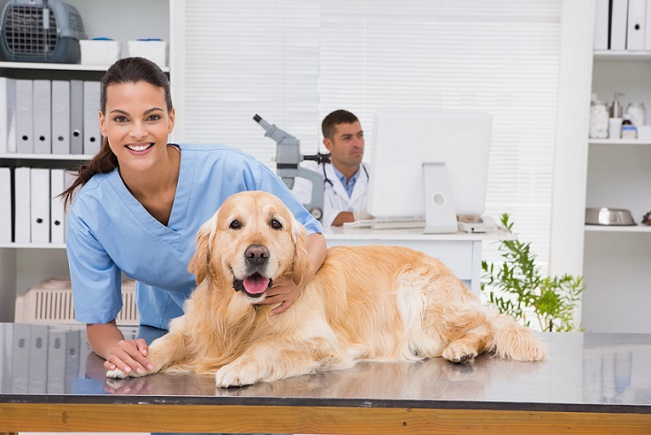
A veterinary clinic is more than just a place where pets are treated when they are sick. It is a hub of health, prevention, and compassionate care for animals of all kinds. From routine check-ups to emergency treatments, veterinary clinics play a crucial role in ensuring the well-being of pets and livestock.
A veterinary clinic is a facility where licensed veterinarians provide medical care to animals. Unlike large veterinary hospitals, clinics are usually smaller and focus on outpatient services. They cater to domestic pets like dogs, cats, birds, and sometimes exotic animals. Veterinary clinics are equipped to handle vaccinations, minor surgeries, dental care, diagnostics, and preventive treatments.
The Importance of Veterinary Clinics
Veterinary clinics serve a vital role in both pet health and public safety. Pets cannot communicate their discomfort as humans do, so regular visits to a veterinarian help detect illnesses early. Timely intervention can prevent minor issues from turning into serious conditions. Furthermore, veterinary clinics contribute to the control of zoonotic diseases—illnesses that can transfer from animals to humans—through vaccinations and proper care.
Services Offered in a Veterinary Clinic
1. Preventive Care
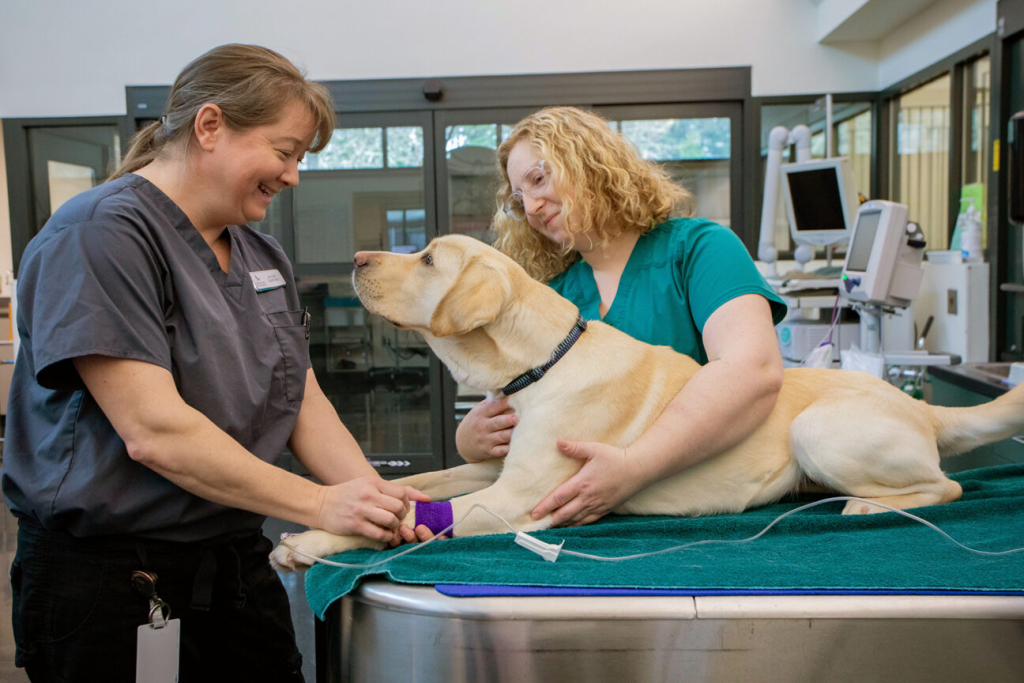
Preventive care is the cornerstone of any veterinary clinic. Regular check-ups allow veterinarians to monitor an animal’s overall health, weight, and nutrition. Preventive measures include vaccinations, deworming, flea and tick control, and dietary recommendations.
2. Diagnostic Services
Veterinary clinics often provide diagnostic services to identify underlying health issues. Blood tests, urine tests, X-rays, and ultrasounds are common diagnostic tools. These tests help veterinarians detect diseases early and develop effective treatment plans.
3. Medical Treatment
Veterinarians treat a wide range of medical conditions. From infections to chronic diseases, veterinary clinics offer medications, wound care, and therapeutic treatments. Clinics also manage emergency cases such as injuries, poisoning, or sudden illnesses.
4. Surgical Procedures
Many veterinary clinics perform minor and major surgeries. This includes spaying and neutering, tumor removal, fracture repairs, and dental surgeries. Surgical procedures in clinics are performed under strict hygiene protocols to ensure safety and recovery.
5. Dental Care
Dental health is often overlooked in pets, yet it is crucial for their overall well-being. Veterinary clinics provide dental cleanings, extractions, and oral health assessments. Regular dental care can prevent serious infections that may affect internal organs.
6. Nutritional and Behavioral Advice
Veterinary clinics do not just treat illnesses; they also guide pet owners on proper nutrition and behavior management. Diet recommendations based on age, breed, and health conditions help maintain a pet’s vitality. Behavior advice can resolve issues like anxiety, aggression, or destructive habits.
The Role of Veterinarians
Veterinarians are highly trained professionals who dedicate their lives to animal health. They undergo years of education, learning about anatomy, physiology, surgery, and pharmacology. Beyond treating pets, veterinarians educate owners about responsible pet care. They also play a significant role in animal welfare, ensuring that pets are treated with kindness and respect.
The Veterinary Clinic Environment
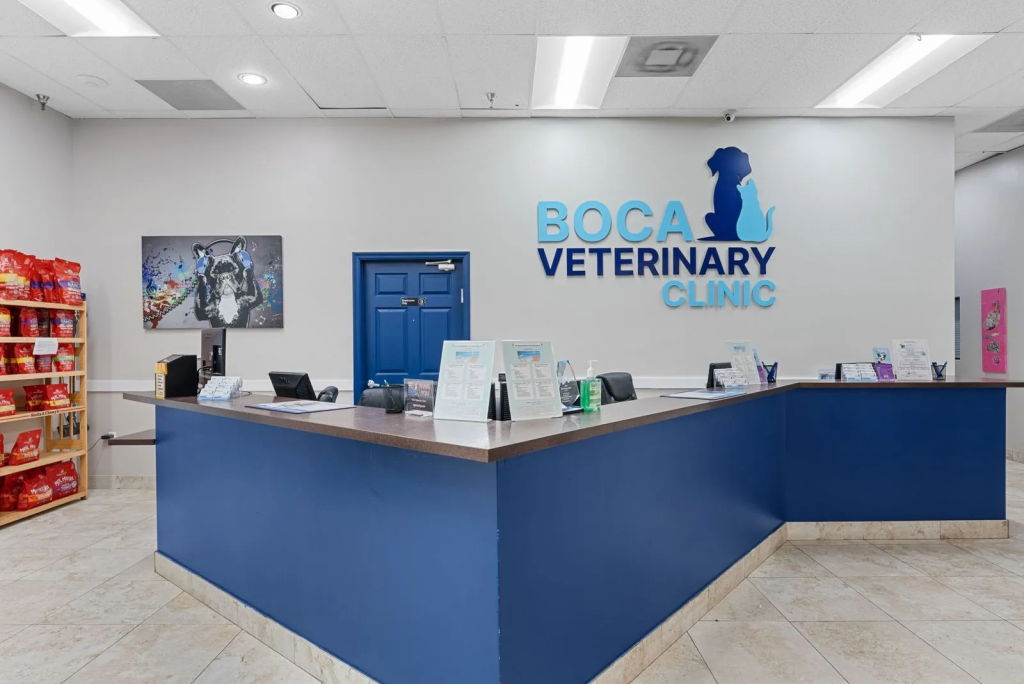
A veterinary clinic is designed to be welcoming for both pets and their owners. Reception areas are usually calm and clean, equipped with comfortable seating. Treatment rooms are hygienic and equipped with medical instruments for examinations. Many clinics have specialized areas for surgery, imaging, and laboratory testing.
Choosing the Right Veterinary Clinic
Selecting a veterinary clinic for your pet is an important decision. Owners should consider the clinic’s reputation, services offered, and the experience of the veterinarians. Visiting the clinic beforehand to assess cleanliness, staff friendliness, and available equipment can help in making the right choice. A good veterinary clinic is one that communicates effectively and shows genuine concern for animal welfare.
Common Procedures in Veterinary Clinics
Some of the most common procedures performed in veterinary clinics include:
- Vaccinations: Protect pets from deadly diseases such as rabies, distemper, and parvovirus.
- Spaying and neutering: Prevent unwanted litters and reduce health risks.
- Parasite control: Treat and prevent fleas, ticks, and worms.
- Blood tests and diagnostics: Detect conditions like anemia, diabetes, and infections.
- Emergency care: Provide urgent treatment for accidents, poisoning, or sudden illness.
Veterinary Clinics and Community Health
Veterinary clinics also play a vital role in public health. By monitoring animal populations, they help prevent outbreaks of infectious diseases. Clinics educate pet owners about hygiene, vaccination schedules, and safe handling practices. This contribution is crucial, especially in urban areas where humans and pets live in close proximity.
Technology in Modern Veterinary Clinics
Modern veterinary clinics incorporate advanced technology to improve diagnostics and treatment. Digital X-rays, ultrasound machines, and in-house laboratories allow faster and more accurate results. Some clinics also offer telemedicine services, enabling remote consultations and follow-ups. Technology enhances efficiency and ensures pets receive the best possible care.
Challenges Faced by Veterinary Clinics
Running a veterinary clinic comes with its challenges. Veterinary professionals often deal with emotional stress, as they care for sick or injured animals. Balancing medical costs with quality care is another challenge. In addition, clinics must stay updated with new treatments, regulations, and technologies to remain effective. Despite these difficulties, the dedication of veterinary teams ensures animals receive compassionate and professional care.
The Human-Animal Bond
Veterinary clinics strengthen the bond between humans and animals. Healthy pets contribute to happier households and improved mental well-being. By promoting preventive care, early diagnosis, and proper treatment, clinics ensure that pets lead long, healthy lives.
Preparing Your Pet for a Veterinary Visit
Visiting a veterinary clinic can be stressful for pets. Owners can make the experience smoother by:
- Keeping pets calm during transport.
- Bringing a favorite toy or blanket.
- Being honest about symptoms or behavioral changes.
- Following the veterinarian’s instructions carefully.
These steps ensure that pets receive accurate assessments and effective treatment.
Conclusion
A veterinary clinic is an essential part of responsible pet ownership. It is a place where animals receive medical attention, preventive care, and emotional support. Beyond treating illnesses, veterinary clinics educate owners, promote animal welfare, and contribute to public health. By choosing a trustworthy veterinary clinic and following regular care routines, pet owners ensure that their beloved companions live happy, healthy lives.
Veterinary clinics are not just healthcare facilities—they are centers of compassion, expertise, and commitment to the creatures who bring joy and love into our lives. Regular visits, preventive care, and timely medical intervention are key to maintaining the health of pets, ensuring that the human-animal bond remains strong for years to come.
