

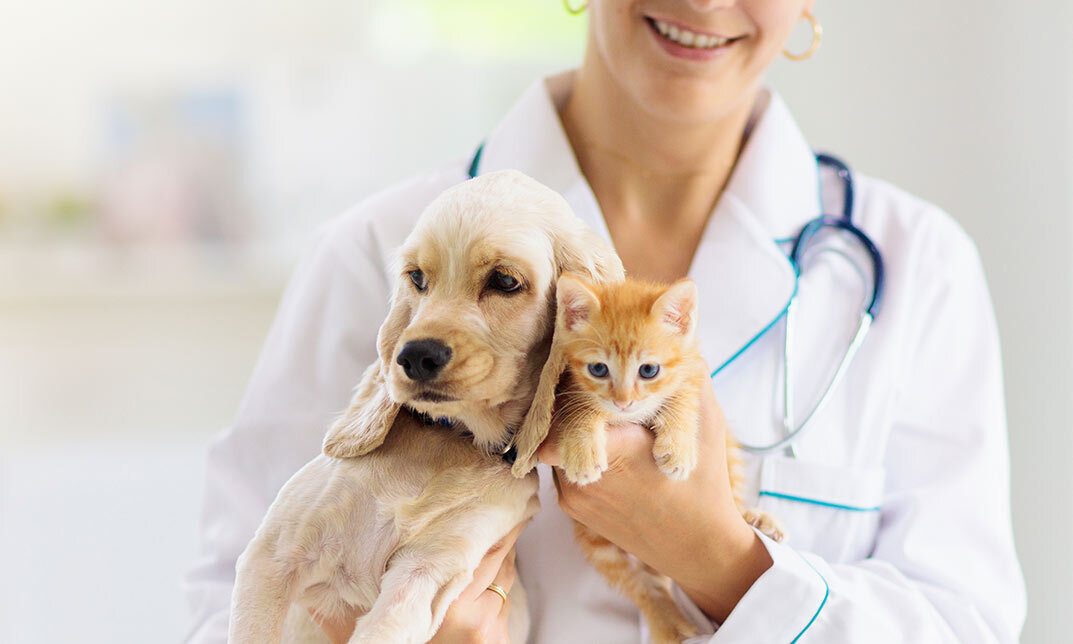
Animal health is a critical aspect of both human society and ecological balance. Healthy animals are not only essential for agriculture, companionship, and wildlife preservation, but they also play a vital role in public health and economic stability. Ensuring proper animal health requires a comprehensive understanding of their biology, behavior, nutrition, disease prevention, and welfare. This article explores the various facets of animal health, including common health challenges, preventive measures, and the importance of holistic care.
Importance of Animal Health
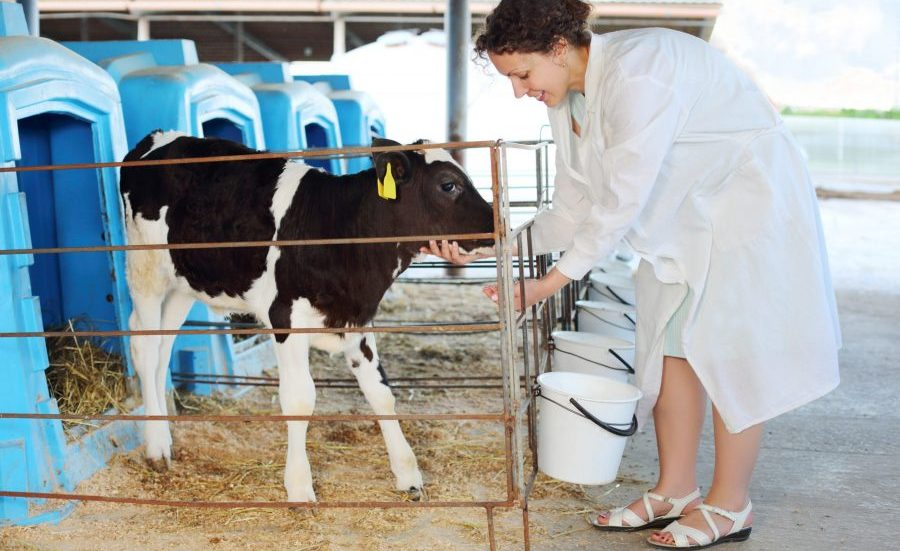
Maintaining good animal health is crucial for several reasons. Firstly, healthy animals contribute to increased productivity in agriculture. Livestock such as cows, pigs, sheep, and poultry provide food, fiber, and other resources; poor health in these animals can lead to reduced yield, economic loss, and compromised food safety. Secondly, pets and companion animals greatly influence human mental and emotional well-being. Ensuring their health helps build strong human-animal bonds and reduces the risk of transmitting zoonotic diseases, which are diseases that can spread from animals to humans.
In addition to domestic animals, wildlife health is an essential part of maintaining ecological balance. Disease outbreaks among wildlife populations can disrupt ecosystems and even pose risks to human populations. Monitoring and maintaining the health of wild animals is therefore crucial for environmental conservation and biodiversity.
Common Health Challenges in Animals
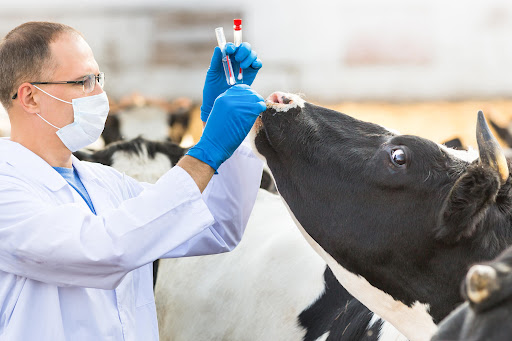
Animals face a wide range of health challenges, which can be broadly categorized into infectious diseases, nutritional deficiencies, physical injuries, and chronic conditions.
Infectious Diseases
Infectious diseases are caused by pathogens such as bacteria, viruses, fungi, and parasites. Common examples include:
- Foot-and-mouth disease (FMD) in livestock, which can spread rapidly and result in severe economic losses.
- Canine parvovirus, which primarily affects puppies and can be fatal if untreated.
- Avian influenza in birds, which can threaten both poultry farms and wild bird populations.
These diseases can spread through direct contact, contaminated food or water, or vectors such as insects. Vaccination, quarantine measures, and proper hygiene are essential for preventing the spread of infectious diseases.
Nutritional Deficiencies
Nutrition plays a key role in animal health. Animals require a balanced diet containing proteins, carbohydrates, fats, vitamins, and minerals. Poor nutrition can result in stunted growth, weakened immunity, reproductive issues, and increased susceptibility to diseases. For example, calcium deficiency in dairy cows can lead to milk fever, while vitamin A deficiency in poultry can cause poor feathering and vision problems. Proper feeding practices and dietary supplementation are critical to preventing such deficiencies.
Physical Injuries
Animals are prone to injuries caused by accidents, fights, or environmental hazards. These injuries can range from minor cuts and bruises to fractures and internal damage. Timely veterinary care is essential to prevent infections and ensure proper healing. Additionally, providing safe living conditions and minimizing exposure to hazards can significantly reduce the risk of injuries.
Chronic Conditions and Aging
Just like humans, animals can develop chronic health conditions such as arthritis, diabetes, heart disease, and kidney problems. Aging animals require special attention, including regular health check-ups, proper nutrition, and adaptations to their living environment to maintain mobility and comfort. Early detection and management of chronic conditions improve quality of life and longevity.
Preventive Measures for Animal Health
Preventive care is the cornerstone of maintaining animal health. By focusing on prevention, owners and caretakers can reduce the risk of illness, enhance productivity, and minimize healthcare costs. Key preventive measures include:
Vaccination
Vaccination protects animals from several contagious and potentially deadly diseases. Veterinary professionals design vaccination schedules tailored to specific species, age groups, and local disease risks. Regular vaccination programs are vital for livestock, pets, and even some wildlife species under conservation programs.
Regular Veterinary Check-Ups
Routine veterinary visits help identify health issues before they become severe. Veterinarians perform physical examinations, dental care, diagnostic tests, and recommend treatments or dietary adjustments. These check-ups are especially important for young, elderly, or high-risk animals.
Proper Nutrition and Feeding
Balanced nutrition supports growth, immunity, and overall health. Animal caretakers must provide species-specific diets that meet their nutritional needs. Access to clean water and safe, uncontaminated feed is equally important to prevent disease and maintain good health.
Hygiene and Sanitation
Maintaining clean living conditions is essential for preventing the spread of pathogens. Regular cleaning of enclosures, proper disposal of waste, and controlling pests and insects help reduce the risk of infection. For companion animals, grooming practices such as bathing, nail trimming, and dental care also contribute to overall health.
Exercise and Mental Stimulation
Physical activity and mental stimulation are vital for animals’ physical and emotional well-being. Exercise prevents obesity, strengthens muscles and bones, and improves cardiovascular health. Mental enrichment, such as interactive toys, social interaction, and environmental changes, reduces stress and behavioral problems, particularly in pets.
Role of Animal Welfare in Health
Animal welfare and health are closely interconnected. Welfare emphasizes the ethical treatment of animals, including providing proper food, shelter, medical care, and opportunities for natural behaviors. Animals in good welfare conditions tend to be healthier, more productive, and exhibit fewer stress-related illnesses. Ensuring animal welfare is not only a moral responsibility but also supports long-term health outcomes.
Wildlife Health and Conservation
Maintaining wildlife health is crucial for ecosystem stability. Disease surveillance programs, habitat preservation, and monitoring of population health help prevent outbreaks that could threaten both wildlife and human populations. Protecting natural habitats and minimizing human-wildlife conflicts are also essential strategies for conserving wildlife health.
Challenges in Ensuring Animal Health
Despite advances in veterinary medicine and animal care, challenges remain in ensuring widespread animal health. These challenges include:
- Limited access to veterinary services in rural or developing regions.
- Emerging diseases due to climate change, habitat destruction, and global trade.
- Antimicrobial resistance caused by overuse of antibiotics.
- Balancing economic pressures with ethical care in livestock production.
Addressing these challenges requires coordinated efforts from veterinarians, researchers, policymakers, and animal caretakers. Education and awareness programs also play a vital role in promoting responsible animal health practices.
Conclusion
Animal health is a multidimensional concept that encompasses physical, mental, and social well-being. It affects not only the lives of individual animals but also human health, economic stability, and ecological balance. Ensuring animal health requires preventive care, proper nutrition, regular veterinary check-ups, and attention to welfare. By prioritizing animal health, we protect our pets, livestock, and wildlife while fostering a healthier, more sustainable environment for all living beings.
Investing time, resources, and knowledge into animal health benefits society as a whole, ensuring that animals thrive and contribute positively to our world. Promoting awareness and responsible care is essential to creating a future where both humans and animals coexist in good health and harmony.
