


A balanced diet is the foundation of good health. It provides the body with essential nutrients required to function optimally, maintain energy levels, and prevent diseases. In today’s fast-paced world, where processed and junk foods dominate, understanding and following a balanced diet is more important than ever.
What is a Balanced Diet?
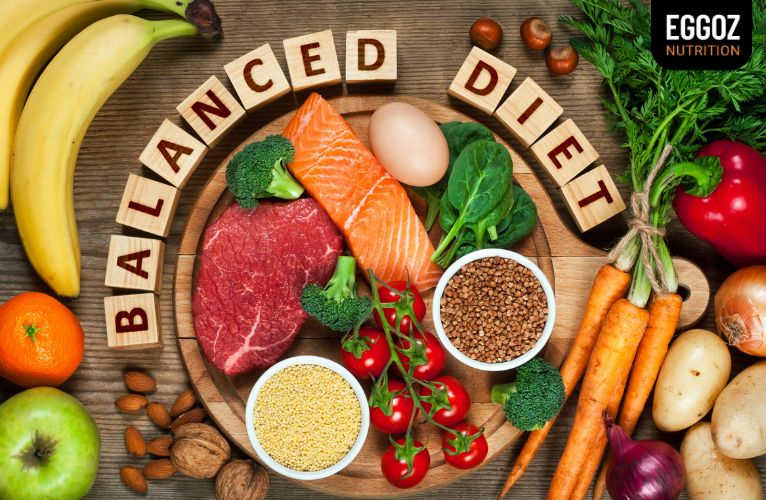
A balanced diet is one that gives your body all the nutrients it needs to work effectively. This means consuming the right amounts of carbohydrates, proteins, fats, vitamins, minerals, and water. Every nutrient has a unique role, and the absence or excess of any can lead to health problems.
- Carbohydrates: They are the main source of energy. Whole grains, fruits, and vegetables provide complex carbohydrates that release energy slowly and keep you active throughout the day.
- Proteins: Proteins are essential for growth, tissue repair, and immunity. Sources include meat, fish, eggs, legumes, and dairy products.
- Fats: Healthy fats are crucial for brain function and hormone production. Nuts, seeds, avocado, and olive oil are excellent sources.
- Vitamins and Minerals: These micronutrients support various bodily functions, including metabolism, immunity, and bone health. Fruits, vegetables, nuts, and dairy products are rich in vitamins and minerals.
- Water: Water is vital for hydration, digestion, circulation, and temperature regulation. Drinking enough water daily ensures that all bodily processes run smoothly.
Importance of a Balanced Diet
Maintaining a balanced diet has numerous benefits for both physical and mental health. Some of the most significant advantages include:
1. Weight Management
A balanced diet helps maintain a healthy weight. By consuming nutrient-rich foods in appropriate portions, one can avoid excessive calorie intake and prevent obesity.
2. Boosts Immunity
Nutrients like vitamins C and E, zinc, and protein strengthen the immune system. A strong immune system protects the body from infections and illnesses.
3. Enhances Mental Health
Nutrition directly affects brain function. Omega-3 fatty acids, vitamins, and minerals improve concentration, memory, and mood, reducing the risk of anxiety and depression.
4. Improves Digestive Health
High-fiber foods like fruits, vegetables, and whole grains promote healthy digestion and prevent constipation and other gastrointestinal problems.
5. Prevents Chronic Diseases
A balanced diet reduces the risk of chronic illnesses such as heart disease, diabetes, hypertension, and certain types of cancer. Consuming nutrient-dense foods over time supports long-term health.
Components of a Balanced Diet
To ensure proper nutrition, it is essential to include a variety of foods in the right proportions:
1. Fruits and Vegetables
Fruits and vegetables are rich in vitamins, minerals, antioxidants, and fiber. They protect the body against free radicals, which can cause cell damage. Aim for at least five servings a day, including colorful options like berries, carrots, spinach, and bell peppers.
2. Whole Grains
Whole grains such as oats, brown rice, quinoa, and whole wheat bread provide energy and fiber. They help maintain blood sugar levels and support digestive health.
3. Protein Sources
Proteins are building blocks for the body. Include lean meats, fish, eggs, legumes, nuts, and seeds. Vegetarians can rely on beans, lentils, tofu, and dairy products to meet protein needs.
4. Healthy Fats
Fats are necessary for energy and cell function. Focus on unsaturated fats found in nuts, seeds, olive oil, and fatty fish. Avoid trans fats and limit saturated fats from processed and fried foods.
5. Dairy Products
Dairy products provide calcium, vitamin D, and protein, which are essential for bone health. Yogurt, milk, and cheese are excellent choices.
6. Water
Hydration is a crucial but often overlooked aspect of a balanced diet. Drinking adequate water daily helps in digestion, nutrient absorption, and detoxification.
Tips for Maintaining a Balanced Diet
Following a balanced diet requires planning and mindful eating habits. Here are some practical tips:
- Eat a Variety of Foods: Include different foods from each food group to ensure all nutrients are covered.
- Control Portion Sizes: Avoid overeating by using smaller plates and listening to your body’s hunger cues.
- Limit Processed Foods: Processed foods are often high in sugar, salt, and unhealthy fats. Focus on whole, fresh foods.
- Include Healthy Snacks: Nuts, fruits, and yogurt can be satisfying alternatives to chips and candy.
- Cook at Home: Preparing meals at home gives better control over ingredients and portion sizes.
- Read Food Labels: Understanding nutritional information helps in making healthier choices.
- Stay Hydrated: Drink at least 8–10 glasses of water daily and limit sugary drinks.
Balanced Diet for Different Age Groups
Nutritional needs vary according to age, activity level, and health status.
- Children: Require a diet rich in protein, calcium, and iron to support growth and development.
- Adolescents: Need extra calories and nutrients due to rapid growth and hormonal changes.
- Adults: Focus on maintaining energy, preventing weight gain, and reducing disease risk.
- Elderly: Require more calcium, vitamin D, and fiber to maintain bone health and digestion.
Common Misconceptions About a Balanced Diet
Despite its importance, several myths surround the concept of a balanced diet:
- “Carbs are bad” – Complex carbohydrates are essential for energy; it’s refined carbs that should be limited.
- “Fats should be avoided” – Healthy fats are necessary for brain function and hormone production.
- “Only dieting leads to health” – A balanced diet is about nutrient quality, not just calorie restriction.
- “Supplements can replace food” – While supplements can fill gaps, they cannot replace the benefits of whole foods.
Conclusion
A balanced diet is more than a lifestyle choice; it is a commitment to health and longevity. By consuming a variety of nutrient-rich foods in proper proportions, one can maintain physical fitness, boost immunity, and reduce the risk of chronic diseases. Simple changes, like incorporating more fruits and vegetables, choosing whole grains, staying hydrated, and limiting processed foods, can have a profound impact on overall well-being. Remember, balance is key—not perfection. Healthy eating is a journey, and every positive choice contributes to a healthier, happier life.
