

Pet training is one of the most important aspects of responsible pet ownership. Whether you have a dog, cat, rabbit, or another type of companion animal, training helps your pet develop good behavior, strengthens the bond between you, and ensures a safer, happier home environment. While training may seem daunting at first, with patience, consistency, and the right approach, you can teach your pet essential skills that last a lifetime.
Why Pet Training is Important
Pet training is more than just teaching tricks or commands. It plays a critical role in:
- Safety: A well-trained pet is less likely to engage in dangerous behavior. Teaching commands like “come,” “stay,” or “leave it” can prevent accidents.
- Behavior Management: Training helps reduce common problems like excessive barking, chewing, or aggression.
- Bonding: Training is a form of communication. Spending time teaching your pet builds trust and strengthens your relationship.
- Mental Stimulation: Pets, especially dogs and cats, need mental exercise. Training challenges their minds and prevents boredom.
- Socialization: A trained pet is more comfortable around people, children, and other animals, which makes outings and social interactions smoother.
Understanding Your Pet’s Behavior
Before you start training, it’s important to understand your pet’s natural behavior. Different species, and even individual animals, have unique instincts and learning styles.
- Dogs: Dogs are social animals that respond well to routine and structure. They learn through positive reinforcement, repetition, and consistency.
- Cats: Cats are independent and can be trained, but it often requires patience and motivation, usually through treats or play.
- Small mammals: Rabbits, guinea pigs, and other small pets can be litter trained and taught simple commands, but they require gentle handling and short training sessions.
- Birds: Birds are intelligent and can learn tricks, mimicry, and even basic commands, but they respond best to short, frequent sessions.
Understanding your pet’s instincts helps you tailor your training approach and ensures realistic expectations.
Basic Principles of Pet Training
Effective training is built on a few key principles:
- Consistency: Use the same commands, rewards, and routines. Confusing signals can slow learning.
- Positive Reinforcement: Reward desired behavior with treats, praise, or affection. Avoid harsh punishment, which can create fear and anxiety.
- Timing: Reward behavior immediately after it occurs so your pet connects the action with the reward.
- Patience: Training takes time. Avoid frustration; animals learn at different speeds.
- Short Sessions: Most pets have limited attention spans. Keep sessions brief but frequent.
Steps to Start Pet Training
1. Establish Basic Commands
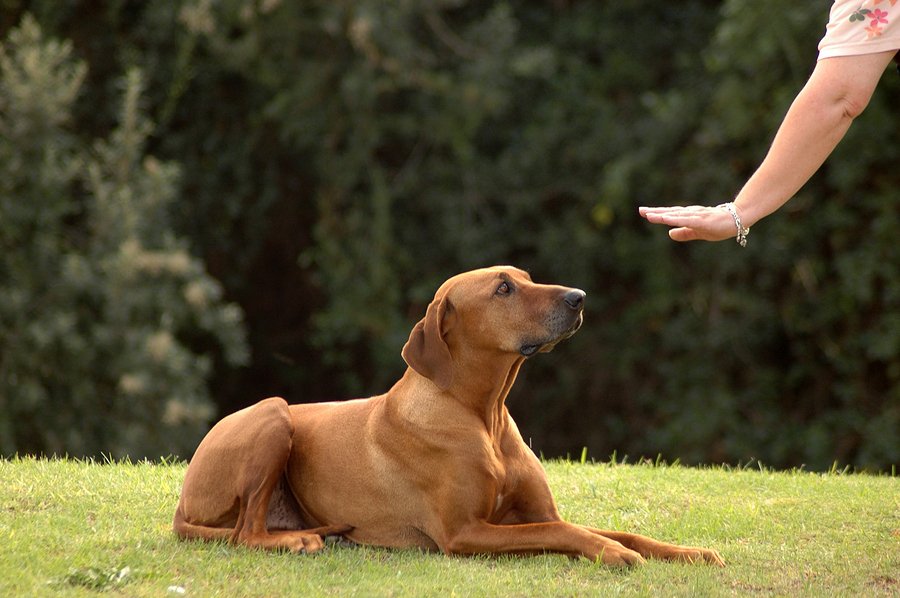
For dogs, basic commands such as “sit,” “stay,” “come,” “down,” and “leave it” are essential. Start in a quiet environment to minimize distractions. Use treats or toys as incentives and be consistent with your verbal cues.
Cats can also learn commands like “come” or “sit” when motivated by treats or play. Patience is key, as cats may not respond immediately.
2. House Training
House training is crucial, especially for puppies, kittens, and small mammals. The process involves:
- Establishing a routine for feeding and bathroom breaks
- Choosing a designated area for elimination
- Rewarding your pet immediately after they go in the correct place
- Avoiding punishment for accidents, which can create anxiety
3. Socialization
Socializing your pet early reduces fear and aggression. Expose them gradually to:
- Different people, including children and strangers
- Other animals
- Various environments, sounds, and situations
Positive exposure during their formative months leads to a confident and well-adjusted pet.
4. Crate and Confinement Training
Crate training can provide pets with a safe space and help with house training. Introduce the crate slowly, making it a comfortable and positive environment. Never use it as punishment.
5. Leash Training
For dogs, leash training is essential for safe walks. Start indoors or in a quiet area. Reward your pet for walking calmly beside you and gradually increase the level of distraction.
6. Correcting Unwanted Behavior
Unwanted behaviors like biting, chewing, or scratching can be managed by:
- Redirecting their attention to appropriate toys or activities
- Ignoring attention-seeking behaviors like barking or jumping
- Rewarding positive alternatives rather than punishing negative behaviors
Advanced Training
Once your pet masters the basics, you can move to more advanced training:
- Trick training: Teaching pets to shake paws, roll over, or fetch can be fun and mentally stimulating.
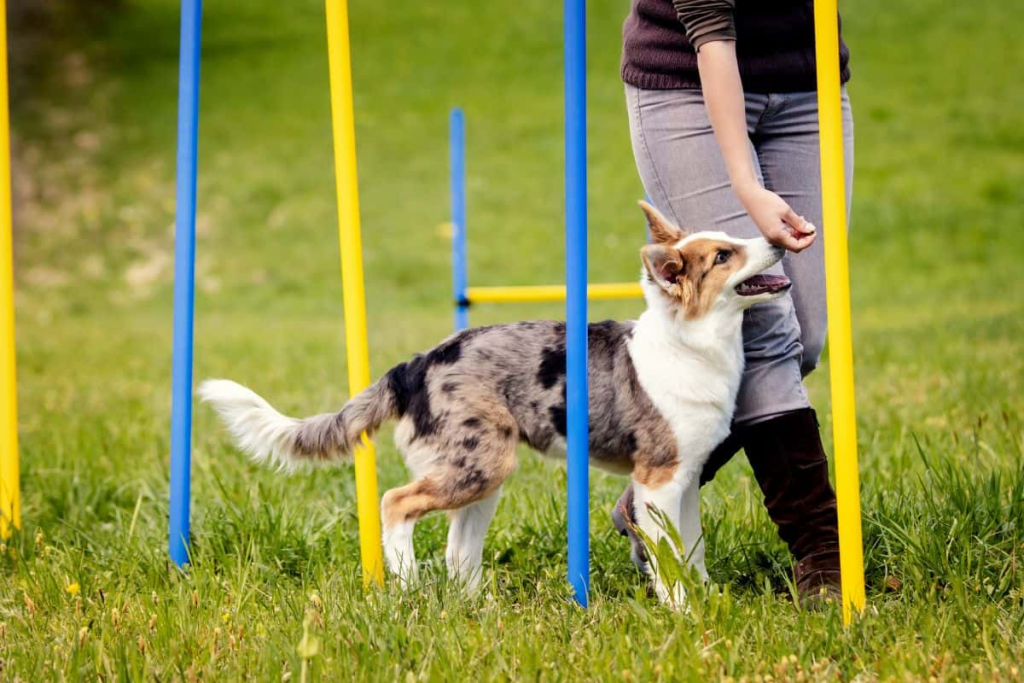
- Agility training: Dogs benefit greatly from agility exercises, which challenge their body and mind.
- Specialized training: Some pets can be trained for therapy, service work, or search and rescue. These require professional guidance.
Tools and Resources for Training
While training, certain tools can help, but they are not a substitute for patience and consistency:
- Treats and toys for motivation
- Clickers for clicker training, a form of positive reinforcement
- Leashes, harnesses, and crates for control and safety
- Training pads for housebreaking
- Books, videos, or classes for structured guidance
Common Challenges and How to Overcome Them
1. Lack of Attention
Pets may lose interest during training. Keep sessions short, fun, and engaging.
2. Regression
Occasionally, pets may revert to old habits. Reinforce training consistently and revisit basic commands.
3. Fear and Anxiety
Some pets are naturally anxious. Avoid punishment, create a safe environment, and gradually expose them to new experiences.
4. Stubbornness
Certain breeds or individual animals may be more stubborn. Patience, repetition, and finding the right motivator (treat, toy, or praise) are key.
Benefits of a Well-Trained Pet
A well-trained pet brings countless benefits:
- Safer home and outdoor environment
- Stronger human-animal bond
- Reduced stress and frustration for both pet and owner
- Greater opportunities for social interactions
- Enhanced mental and physical health for the pet
Tips for Successful Pet Training
- Start early, ideally during the pet’s formative months
- Be patient and consistent
- Keep training sessions short but frequent
- Focus on positive reinforcement
- Understand your pet’s personality and learning style
- Gradually increase challenges and distractions
- Celebrate progress, even small achievements
Conclusion
Pet training is an essential part of responsible pet ownership. It requires patience, consistency, and a genuine understanding of your pet’s behavior. While challenges are inevitable, the rewards are immense. A well-trained pet is not only safer and more obedient but also happier and more confident. Training strengthens the bond between you and your companion, making life together more enjoyable.
Whether you have a playful puppy, a curious kitten, or a small exotic pet, dedicating time and effort to training will lead to a lifelong, rewarding relationship. The key is to stay patient, use positive reinforcement, and celebrate the small victories along the way. With the right approach, any pet can learn essential skills and become a well-mannered, joyful member of your family.
