

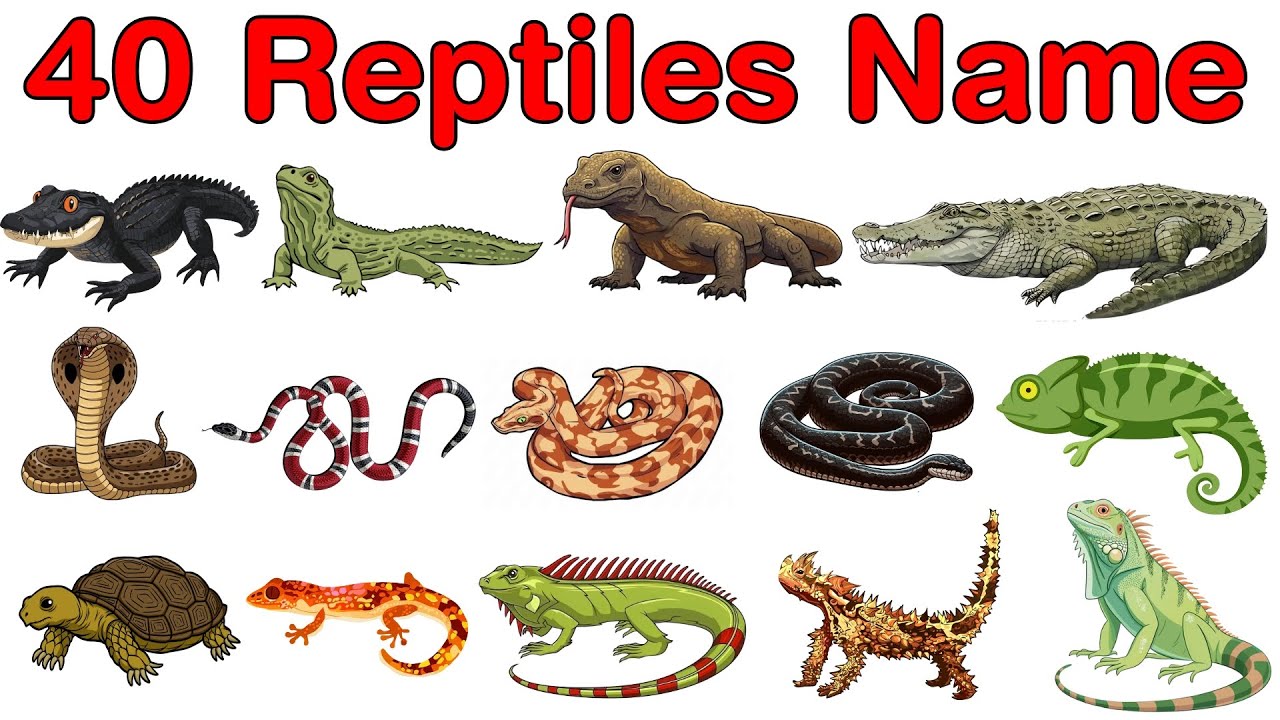
Reptiles are one of the most fascinating and diverse groups of animals on Earth. They belong to the class Reptilia, which includes snakes, lizards, turtles, crocodiles, and tuataras. These creatures have thrived for over 300 million years, surviving massive environmental changes and outlasting many species that once shared their habitats. Reptiles are ectothermic, meaning they rely on external heat sources to regulate their body temperature, a trait that has allowed them to adapt to a wide variety of ecosystems, from arid deserts to lush rainforests.
Characteristics of Reptiles
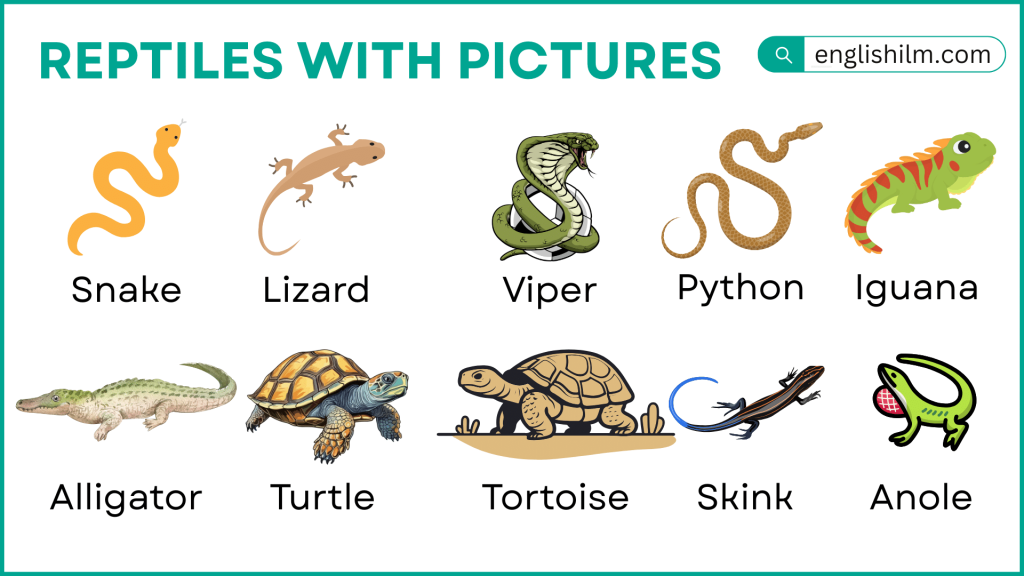
Reptiles share several key characteristics that distinguish them from other animals:
- Scaly Skin: Reptiles are covered with tough, dry scales made of keratin, the same protein that forms human hair and nails. These scales help reduce water loss, making reptiles well-suited for life in dry environments.
- Cold-Blooded Nature: Being ectothermic, reptiles depend on the warmth of the sun to maintain their body temperature. This is why you often see snakes and lizards basking on rocks during the morning.
- Reproduction: Most reptiles lay eggs, although some give birth to live young. Their eggs have leathery or calcareous shells that protect the developing embryo, allowing reptiles to reproduce in a range of habitats.
- Respiration: Reptiles breathe through lungs throughout their lives, unlike amphibians that often use both lungs and skin for respiration.
- Skeletal Structure: Reptiles possess a backbone and internal skeleton, with limbs (in most species) adapted for walking, climbing, or swimming. Snakes are an exception, having elongated bodies with no limbs.
Classification of Reptiles
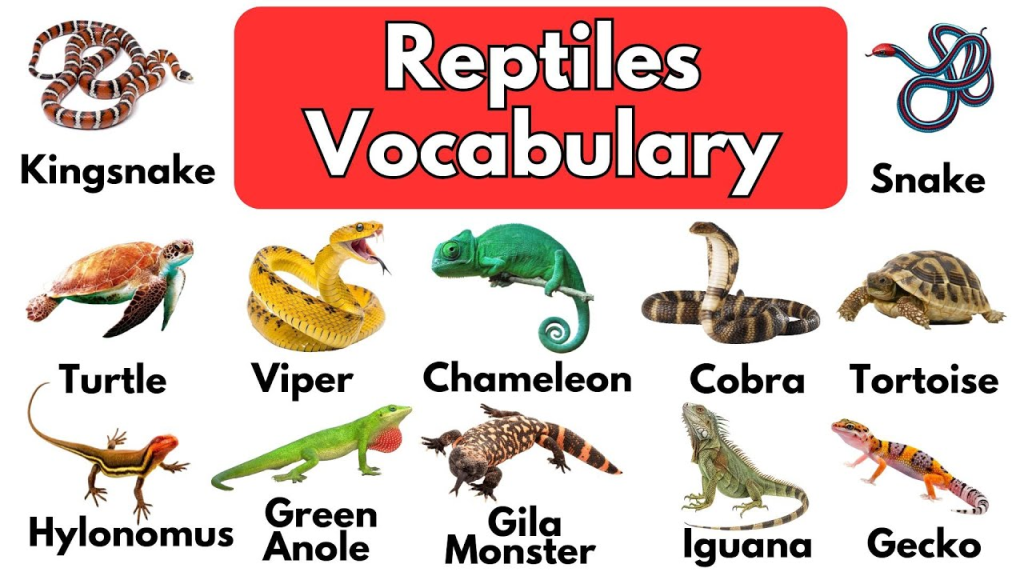
Reptiles can be divided into four major groups:
- Squamata: This group includes snakes and lizards. Squamates are known for their flexible jaws and the ability of some species to shed their tails as a defense mechanism. Lizards are generally small and agile, while snakes have evolved specialized hunting techniques to capture prey.
- Testudines: This group consists of turtles and tortoises. Turtles are adapted to aquatic environments, while tortoises are land-dwellers. Their shells serve as protective armor, and their slow metabolism allows them to survive in harsh conditions.
- Crocodylia: Crocodiles, alligators, caimans, and gharials belong to this group. These reptiles are apex predators, with powerful jaws, sharp teeth, and keen senses. Crocodiles are well-adapted to both freshwater and saltwater habitats.
- Rhynchocephalia: Represented today by the tuatara, a reptile native to New Zealand. Tuataras are often called “living fossils” because they have retained many primitive features over millions of years.
Adaptations and Survival
Reptiles are incredible survivors due to their unique adaptations:
- Thermoregulation: Reptiles regulate their body temperature behaviorally. They bask in the sun to warm up and seek shade or burrows to cool down. Some species can even adjust their color to reflect or absorb heat more efficiently.
- Water Conservation: Scaly skin minimizes water loss, and many desert reptiles can survive for long periods without drinking water. They obtain moisture from their food and are highly efficient at retaining it.
- Camouflage and Defense: Many reptiles use camouflage to avoid predators. Chameleons, for example, can change the color of their skin to blend into their surroundings. Others, like snakes, rely on venom, speed, or constriction to subdue prey and defend themselves.
- Dietary Adaptations: Reptiles are generally carnivorous or insectivorous, but some species are herbivores. Their diets vary based on habitat, size, and available resources. Crocodiles are opportunistic hunters, while turtles might graze on plants or scavenge.
Habitat and Distribution
Reptiles inhabit every continent except Antarctica. They are particularly abundant in tropical and subtropical regions where warmth and humidity favor their survival. Their habitats include:
- Deserts: Many lizards and snakes thrive in arid regions, utilizing burrows and nocturnal activity to escape extreme heat.
- Rainforests: Tropical reptiles, such as anoles and tree-dwelling snakes, take advantage of dense vegetation for hunting and shelter.
- Freshwater and Marine Environments: Crocodiles, turtles, and some snakes inhabit rivers, lakes, and oceans, showing remarkable adaptations to aquatic life.
- Grasslands and Savannas: Many reptiles, including tortoises and monitor lizards, thrive in open landscapes where their speed and camouflage help them avoid predators.
Role in the Ecosystem
Reptiles play a vital role in ecosystems:
- Predators: Reptiles help control populations of insects, rodents, and other small animals. Snakes, in particular, are crucial in managing pest populations in agricultural areas.
- Prey: Reptiles are a food source for birds, mammals, and other reptiles. Their presence supports the balance of food chains.
- Seed Dispersal: Some herbivorous reptiles, such as tortoises, contribute to seed dispersal by consuming fruits and excreting seeds elsewhere.
- Indicator Species: Reptiles are sensitive to environmental changes, making them excellent indicators of ecosystem health. A decline in reptile populations can signal habitat destruction or pollution.
Threats to Reptiles
Despite their resilience, reptiles face numerous threats due to human activities:
- Habitat Loss: Deforestation, urbanization, and agriculture destroy natural habitats, leaving reptiles vulnerable.
- Pollution: Pesticides and chemicals can poison reptiles or disrupt their reproductive cycles.
- Climate Change: Rising temperatures and changing rainfall patterns affect reptile behavior, reproduction, and survival.
- Illegal Trade: Many reptiles are captured for the pet trade, traditional medicine, or as exotic food, leading to population declines.
- Invasive Species: Non-native predators and competitors can threaten native reptile species.
Conservation Efforts
Protecting reptiles requires global awareness and targeted conservation strategies:
- Habitat Protection: Establishing wildlife reserves and protected areas helps preserve natural habitats for reptiles.
- Research and Monitoring: Studying reptile populations helps scientists understand their needs and detect early signs of decline.
- Legislation: Enforcing laws against illegal hunting and trade protects endangered species.
- Public Awareness: Educating communities about the ecological importance of reptiles fosters coexistence and reduces unnecessary killing.
Fascinating Facts About Reptiles
- Some snakes can survive months without food due to their slow metabolism.
- Crocodiles have the strongest bite of any living animal.
- Turtles can live over 100 years in the wild.
- Chameleons can move their eyes independently, allowing them to see in two directions at once.
- The Komodo dragon, the largest living lizard, can grow over 10 feet long and hunt prey as large as deer.
Conclusion
Reptiles are ancient, diverse, and highly adaptable creatures that have captivated humans for centuries. They exhibit remarkable survival strategies, from their physical adaptations to their behavioral ingenuity. Despite the challenges posed by human activity and environmental changes, reptiles continue to play essential roles in ecosystems worldwide. Understanding and protecting these incredible animals is crucial, not only for their survival but also for the balance of the natural world.
